
Triplasis
Triplasis
Triplasis is a genus of perennial or annual grasses belonging to the Poaceae family. These plants are known for their remarkable adaptation to harsh environments, particularly sandy and low-nutrient substrates found in North and South America.
What the section contains

Triplasis
The genus thrives in open, sunny locations such as dunes, sandy prairies, and dry fields. It is specifically adapted to regions where water scarcity and extreme temperature fluctuations restrict the growth of more sensitive agricultural plant species.
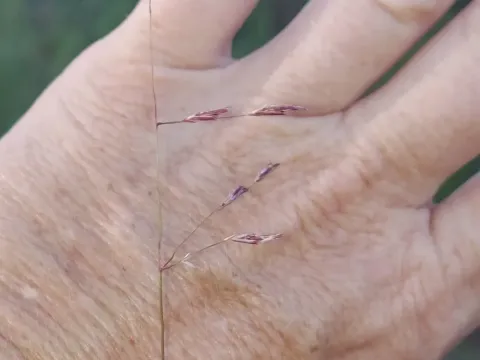
Botanically, Triplasis is characterized by slender stems and specialized inflorescences. A notable feature of Triplasis purpurea is its ability to produce cleistogamous flowers, which remain closed and self-pollinate, ensuring seed production even during suboptimal weather.
Soil requirements for Triplasis are quite low. It performs best on loose, sandy, or well-drained soils and exhibits a significant tolerance to salinity, which differentiates it from many standard forage grasses used in industrial farming.
In terms of land management, the genus is primarily utilized for soil stabilization. Its extensive root system helps to anchor loose soil, preventing wind erosion in sandy areas, although it is generally considered low-quality forage due to its texture.
The primary threats to Triplasis populations include the invasion of non-native plant species that compete for space and nutrients in disturbed sandy ecosystems.
Fungal diseases like rusts or powdery mildew can affect the plants during abnormally humid periods, although these outbreaks are typically localized due to the plant's preference for dry conditions.
Insects such as aphids and various cereal-damaging flies may impact the plant's health, though economic loss is negligible given the plant's limited agricultural cultivation.
Overgrazing by livestock represents a significant threat, as it destroys the protective vegetative cover and accelerates soil erosion in habitats where Triplasis is the dominant species.
Maintaining ecological health requires preventing over-compaction of the soil and managing land use to ensure the native flora can sustain its role in environmental conservation.