
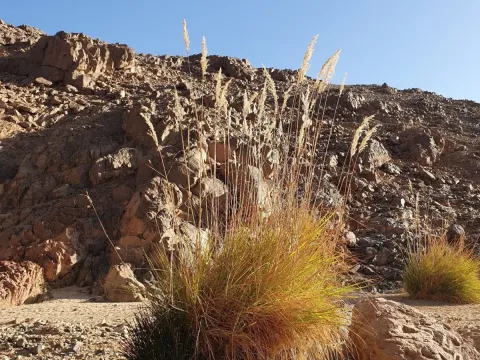
Tripidium
Tripidium
Tripidium is a genus of perennial grasses belonging to the Poaceae family. Known for their robust growth, these plants are increasingly recognized for their potential in biomass production and land rehabilitation projects in various climates.
What the section contains


Tripidium
The plant thrives in sunny locations with well-drained, fertile soil. While it is relatively hardy, consistent moisture availability during the growing season is essential to achieve maximum biomass accumulation. It is well-suited for temperate to subtropical regions.
Soil quality significantly influences productivity. Deep, loamy soils provide the best conditions for root development, although the plant is adaptable to various soil types. Ensuring proper drainage is crucial to prevent root rot and other moisture-related health issues.
Agricultural practices should focus on weed management during the establishment phase. Once the plant forms a dense stand, it becomes highly competitive and can naturally suppress encroaching weeds, reducing the need for intensive maintenance in later years.
Tripidium is appreciated for its ability to stabilize soil due to its extensive root system. This makes it a valuable plant for erosion control on slopes or marginal lands where intensive tillage is not feasible or desirable for environmental reasons.
The primary economic value of Tripidium lies in its high output of lignocellulosic biomass. This material is widely used as a feedstock for renewable energy production, including the manufacturing of wood pellets and second-generation biofuels.
Yield metrics depend on regional climate, soil quality, and fertilization strategies. With proper management, including nitrogen application, the plant can produce high-quality harvests for several consecutive years, offering a reliable return on investment.
In addition to energy production, the plant may serve as a supplemental forage source if harvested at the appropriate maturity level. However, farmers must monitor fiber content closely, as excessive lignification can reduce digestibility for livestock.
Mechanical harvesting is typically performed using forage harvesters equipped with headers designed for robust, tall-stemmed crops. Optimal moisture content is key for efficient post-harvest processing and logistics to ensure the biomass remains stable.
Continuous production over many years is achievable with regular pruning and nutrient replacement. This perennial nature saves resources compared to annual energy crops, making it a sustainable choice for large-scale agricultural projects.
Like other perennial grasses, Tripidium can be susceptible to fungal diseases, particularly in humid or overcrowded conditions. Leaf rust and spot diseases are the most common issues that can affect photosynthetic efficiency and biomass yield.
Pest pressures, such as cereal aphids and stem-boring insects, require routine monitoring. Integrated Pest Management (IPM) strategies, including biological controls and targeted applications, are effective in maintaining crop health while minimizing environmental impact.
Competition from weeds is a significant threat during the first growing season. Proper soil preparation and timely management during the establishment phase are essential to allow the crop to develop the vigor needed to thrive without further weed control interventions.
Environmental stress, such as prolonged waterlogging, can weaken the plant's defense mechanisms, making it more prone to soil-borne pathogens. Site selection is therefore the first and most critical step in successful long-term cultivation.
Disease prevention is prioritized through the use of certified, clean planting material and adhering to crop rotation patterns. Keeping the field environment balanced promotes natural resistance, ensuring the long-term viability of the plantation.