
Tripidium arundinaceum
Tripidium arundinaceum
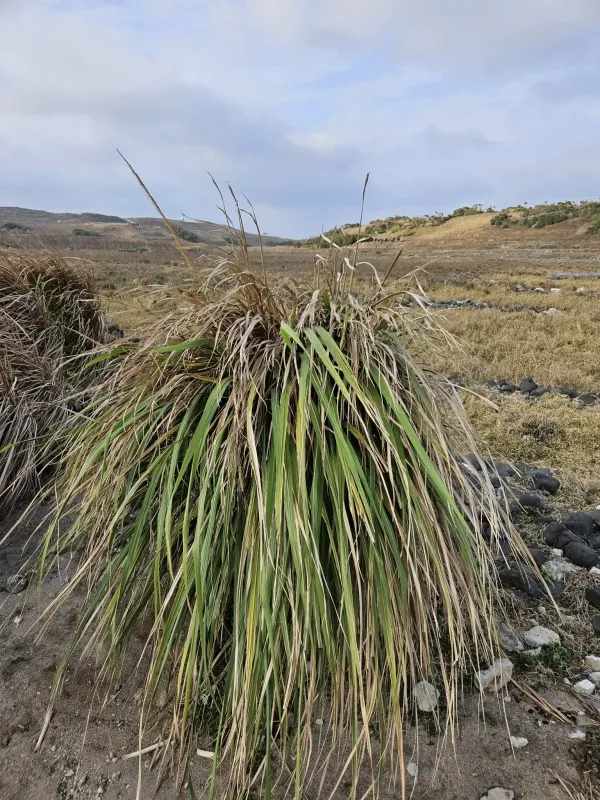
Description
Growing requirements
Tripidium arundinaceum is a robust perennial grass species belonging to the Poaceae family. Formerly classified within the genus Saccharum, this plant is characterized by its large, reed-like culms that can reach heights of up to 5 meters, forming dense and highly productive stands in suitable environments.
The species is native to tropical and subtropical areas of Asia, where it typically colonizes wetlands, riverbanks, and sunny open areas. Its evolutionary adaptation to these regions has made it a resilient plant, capable of thriving in various soil conditions, including low-fertility sites where other crops might fail.
Environmental requirements for successful cultivation focus on high thermal units and abundant sunlight. As a C4 plant, Tripidium arundinaceum exhibits superior photosynthetic efficiency under high temperatures and strong radiation, making it an ideal candidate for tropical agricultural systems.
Regarding soil management, while it is adaptable, the plant performs optimally in deep, moisture-retentive soils. It displays a remarkable ability to manage water stress once established, thanks to its deep and extensive fibrous root system, which helps stabilize soil structures and prevent erosion in degraded landscapes.
Agronomic practices mainly involve site preparation and initial weed control during the establishment phase. Once the stand is established, the plant becomes highly competitive against weeds due to its rapid growth rate and dense canopy, significantly reducing the need for intensive maintenance throughout its lifecycle.
Yield
The biomass productivity of Tripidium arundinaceum is exceptionally high, with trials indicating significant dry matter accumulation annually. This high yield potential makes it a key candidate for the bioenergy sector, specifically for combustion, pyrolysis, or the production of second-generation biofuels.
Main diseases and pests
The primary threats to this crop include fungal pathogens that thrive in high-humidity environments, particularly those affecting the leaves. Integrated pest management, including selecting resistant genotypes and ensuring proper plant spacing for air circulation, remains the most effective strategy to mitigate such risks.