
Tripidium ravennae
Tripidium ravennae
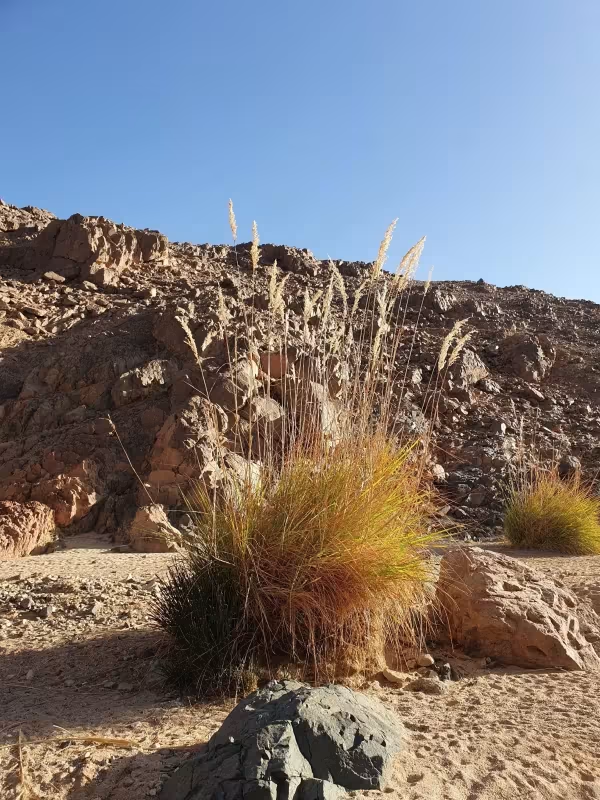
Description
Sowing dates
Tripidium ravennae is typically propagated by sowing seeds in the spring when soil temperatures consistently reach 15-20 degrees Celsius for optimal germination.
When starting seeds in containers, it is essential to use a well-draining substrate and keep the seeds exposed to light, as they require illumination to sprout properly.
Vegetative propagation by division of established clumps is often preferred in agricultural settings to ensure faster plant development and uniformity across the field.
Division should be performed early in the spring, just as the plant begins to show signs of new growth, which facilitates rapid establishment of the root system.
Planting spacing is crucial; allow approximately 80-100 centimeters between plants to accommodate the extensive growth of mature clumps and prevent overcrowding.
Growing requirements
As a member of the Poaceae family, this plant thrives in full sun and requires well-ventilated locations protected from harsh, cold winter winds to remain healthy.
While adaptable to various soil types, the best performance is achieved in fertile, loamy, and well-draining soils with a neutral pH level for optimal nutrient uptake.
Consistent moisture is necessary during the initial establishment phase, although mature plants exhibit significant drought tolerance due to their deep root structure.
Ensuring proper soil drainage is a critical agronomic requirement, as stagnant water during the dormant winter period can lead to root rot and plant death.
In regions prone to severe frosts, applying a layer of organic mulch around the base of the plant is recommended to insulate the roots from extreme temperature fluctuations.
Yield
The economic potential of Tripidium ravennae lies in the production of substantial vegetative biomass, which can be utilized for various industrial and craft applications.
With balanced fertilization—particularly nitrogen applications—and adequate moisture, the plant can produce high yields of dry matter over several successive years.
The grass is known for its vigorous growth rate, often reaching full productivity by the second growing season after planting if proper maintenance is provided.
Seed collection is secondary to biomass production, but if needed, plumes are harvested during the stage of peak physiological maturity before seeds disperse.
Annual maintenance, including the cutting back of dead foliage in late winter or early spring, is necessary to stimulate new growth and maintain consistent yields.
Main diseases and pests
Tripidium ravennae is generally highly resistant to pests and diseases, though excessive soil moisture can predispose the plant to fungal infections of the root system.
In cases of poor air circulation and high humidity, powdery mildew may appear, requiring timely intervention with systemic or contact fungicides.
Sucking insects such as aphids can occasionally infest young shoots during warm periods, causing stunted growth if left unmonitored during the early growth stages.
Weed management is a critical task during the first year of planting, as competing vegetation can significantly suppress the development of young grass clumps.
Rodents may pose a threat to the rhizomes during the winter months, so keeping the area around the field clear of debris is a useful preventative measure.
Harvesting
Harvesting for biomass occurs late in the season once the foliage has turned dry, which simplifies mechanical collection and reduces moisture content before storage.
For ornamental or industrial fiber use, plumes are harvested prior to the total seed dispersal stage to maintain the structural integrity of the harvested material.
Industrial harvesting typically involves the use of heavy-duty forage mowers, which are effective in processing the dense and tall stalks of the mature grass.
After collection, the material should be stored in dry, ventilated conditions to prevent mold formation and maintain the quality of the harvested fibers.
Since the plant is a perennial, the root system remains viable after harvest, allowing for continuous cultivation cycles without the need for immediate replanting.