
Tripidium bengalense
Tripidium bengalense
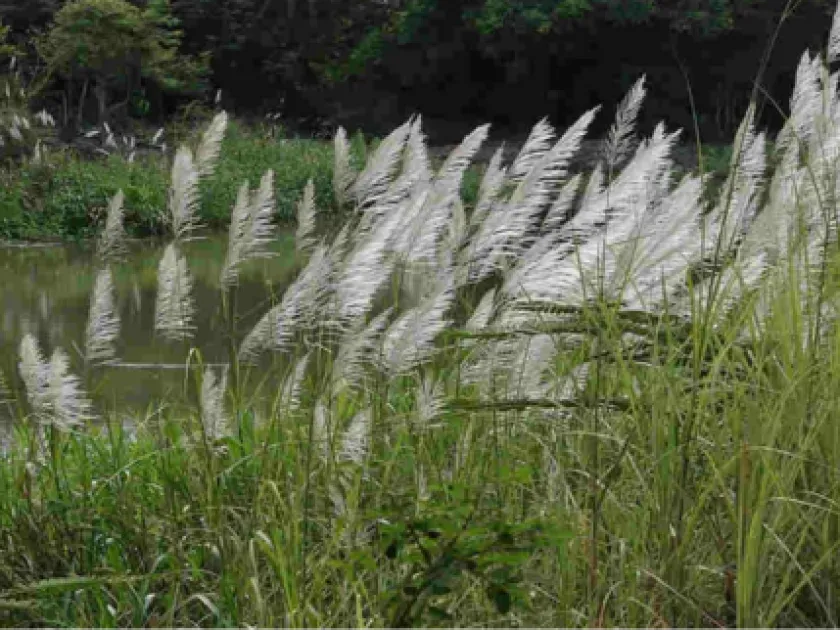
Description
Growing requirements
Tripidium bengalense, formerly known as Saccharum bengalense, is a vigorous perennial grass belonging to the Poaceae family. This species is closely related to sugarcane and is recognized for its impressive height and dense growth habit, often reaching several meters in stature.
Native to South Asia, particularly the riverine regions of India and Pakistan, this grass is highly adapted to tropical and subtropical climates. It thrives in humid environments and is frequently found colonizing areas with high soil moisture content.
The crop demands full sunlight to achieve optimal biomass yields. Growth is significantly retarded in shaded areas, making it essential to choose open planting locations with minimal competition for solar radiation throughout the growing season.
Soil requirements involve well-draining, deep, and fertile substrates. While the plant can tolerate a variety of soil types, it performs best on alluvial or loamy soils with a neutral pH, demonstrating a moderate resilience to salinity.
Agronomic preparation focuses on deep tillage to facilitate extensive root development. Proper moisture management during the establishment phase is critical, although once mature, the plant displays high resilience to temporary drought conditions.
Yield
The primary economic use of Tripidium bengalense is the production of biomass for energy. Its high cellulose and lignin content makes it an excellent candidate for solid biofuel production, contributing significantly to the renewable energy sector.
Beyond energy, the plant has a long history of utilization in the paper and pulp industry. The strong, fibrous stems are processed to create high-quality fiber, which is also traditionally used in local handicrafts such as mat and basket weaving.
Environmental stability is another key benefit. Due to its dense, deep-reaching root system, this grass is effectively used for soil stabilization along canal banks, slopes, and riverbeds, preventing severe erosion in sensitive ecological zones.
Industrial applications include the extraction of chemical compounds used in the production of bio-based materials. Research continues to explore the potential of the plant as a feedstock for biochemical synthesis, leveraging its rapid biomass accumulation rate.
Limited use as animal fodder is restricted to the youngest vegetative stages, as the maturing stems become highly lignified and abrasive, losing their nutritional value and palatability for livestock as the season progresses.
Main diseases and pests
Tripidium bengalense is remarkably resilient to most agricultural pests and diseases, which is a major advantage for sustainable cultivation. It requires minimal chemical intervention compared to other traditional field crops.
However, fungal pathogens such as rust or leaf spot may occur under conditions of high humidity, stagnant air, or poor field sanitation. Maintaining adequate plant spacing is the most effective preventative measure against such outbreaks.
Pest threats are typically localized, with stem-boring insects being the most common concern. Integrated pest management practices, including routine field monitoring, are recommended to maintain plant health without the excessive use of pesticides.
Nutrient management is essential to sustain high annual yields, particularly in nitrogen-demanding phases of development. Regular soil analysis is advised to guide fertilization programs and prevent long-term soil exhaustion.
Weed control is mandatory only during the initial establishment year. Once the plants reach maturity, their dense canopy and root mass naturally suppress most competing weeds, ensuring a clean and manageable planting site in subsequent years.