
Tricholaena teneriffae
Tricholaena teneriffae
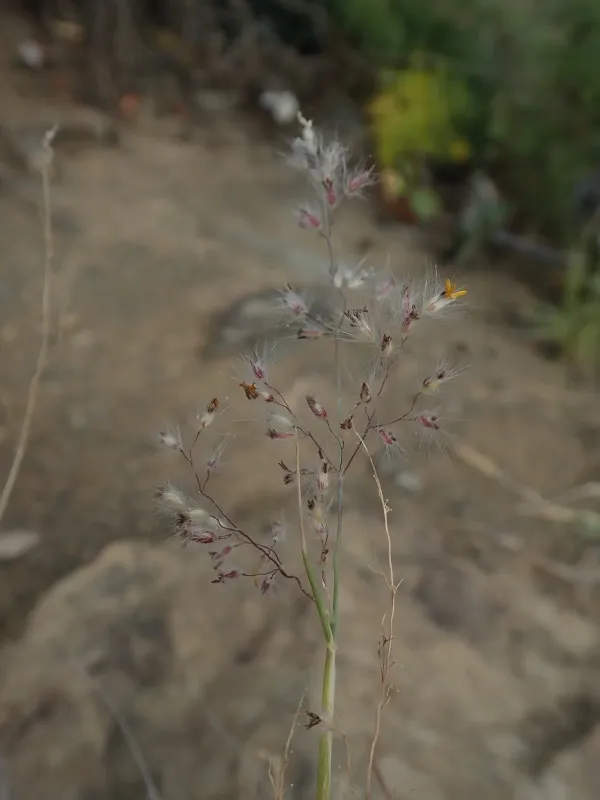
Description
Sowing dates
Tricholaena teneriffae is a perennial grass species belonging to the Poaceae family. It is recognized for its ability to thrive in challenging environments where typical agricultural grasses fail to establish effectively.
Sowing should be performed during the warmer months when soil temperatures consistently favor rapid germination. The seeds are small, requiring careful placement to ensure they are not buried too deeply within the soil profile.
Preparation of the seedbed is critical; a fine, firm surface allows for optimal contact between the soil particles and seeds. Rolling the soil after sowing can significantly improve the success rate of crop establishment.
In regions with distinct dry seasons, planting is often timed to take advantage of the onset of seasonal rains. This strategy maximizes moisture availability for seedling development, ensuring the plants establish deep roots before the heat intensifies.
While often naturally dispersed, deliberate sowing requires a sowing rate calculated to balance plant density and individual plant growth space, preventing nutrient competition in the early vegetative stages.
Growing requirements
This species is exceptionally drought-tolerant, making it an ideal choice for arid and semi-arid climates. It has evolved to manage its water consumption effectively during prolonged dry periods.
Soil requirements are relatively flexible, yet the plant shows a strong preference for well-draining soils. It is particularly adept at utilizing sandy or rocky substrates where nutrient availability is naturally low.
Environmental conditions characterized by high solar radiation are favorable for Tricholaena teneriffae. Unlike many temperate crops, this grass maintains its physiological functions even under extreme heat stress.
The plant demonstrates a remarkable tolerance for low-fertility soils, requiring minimal fertilizer inputs for basic survival. However, balanced soil nutrition can enhance biomass production for agricultural harvesting.
Poor drainage is the primary limiting factor for this crop, as it can lead to root rot. Maintaining a site with excellent water runoff is essential to ensure the longevity of the perennial planting.
Yield
The biomass yield of Tricholaena teneriffae is generally moderate compared to high-input forage crops. Its true value lies in the consistency of its production under suboptimal conditions where other crops would fail.
Forage quality is highest before the flowering stage. Farmers typically target harvest periods before the stems become overly fibrous, ensuring maximum digestibility for livestock grazing the pasture.
Annual yield is largely dictated by environmental variables, particularly rainfall patterns. Under irrigation, the plant can show increased regrowth rates, although it remains most economical in rain-fed systems.
Proper grazing management is vital to sustain yield over multiple years. Overgrazing can deplete the root reserves of the plant, leading to reduced vigor and the encroachment of undesirable weed species.
Harvesting for seed requires precision due to the tendency of seeds to shed upon reaching maturity. Growers often use specialized harvesters or manual techniques to secure seed batches effectively.
Main diseases and pests
Tricholaena teneriffae exhibits a high degree of natural resistance to common cereal diseases. Its robust nature makes it a low-maintenance option for land reclamation and soil stabilization efforts.
Pests are generally not a major threat to established stands, though local insect populations may occasionally feed on foliage. Monitoring during the early growth phase can help prevent significant damage to young plants.
Competition from aggressive, fast-growing weeds is the primary challenge during the seedling stage. Once the grass is fully established, its density usually allows it to outcompete most invasive herbaceous plants.
In some environments, subterranean pests may affect the root system, although such occurrences are not considered widespread. Integrated pest management strategies are sufficient to protect the crop in these cases.
Climatic risks such as flash floods or prolonged waterlogging are the most significant threats to the plant's health. Avoiding low-lying, poorly drained areas is the most effective preventive measure.