
Natal grass
Tricholaena monachne
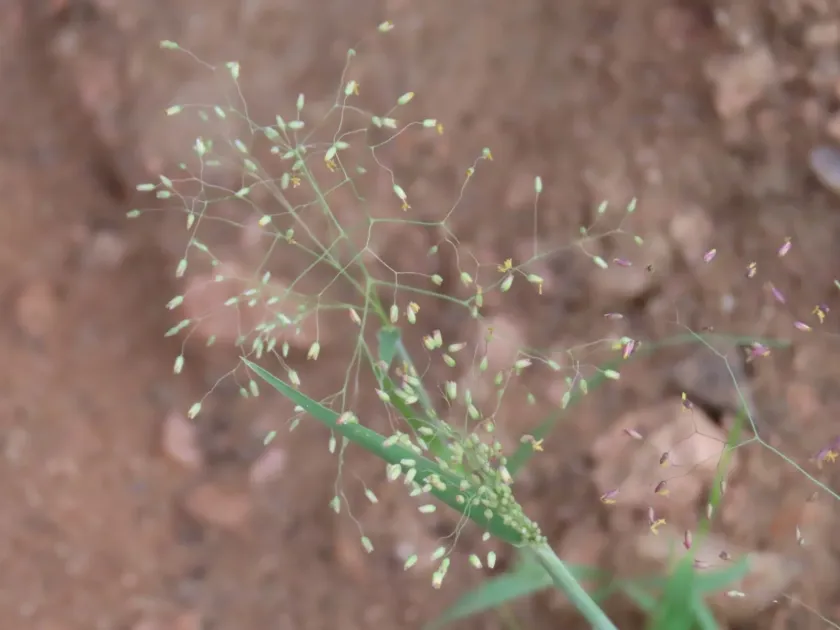
Description
Sowing dates
Natal grass (Tricholaena monachne) is a hardy, perennial grass belonging to the Poaceae family. It is valued primarily for its ability to thrive in diverse environments, making it a popular choice for forage production and soil stabilization in various regions.
The optimal sowing time for this grass is during the warm season when soil temperatures are consistently high. Sowing in cold, wet soil can lead to poor germination rates and increased vulnerability to soil-borne pathogens during the emergence stage.
Preparation of the seedbed is critical; it should be fine, firm, and free of competing weeds. Given the small size of the seeds, they should be sown at a shallow depth of no more than 1–2 centimeters, followed by light rolling to ensure good soil-to-seed contact.
Under favorable moisture conditions, seedlings establish rapidly. However, initial irrigation may be necessary in arid climates until the root system has developed sufficiently to reach deeper moisture levels in the soil profile.
When sowing for pasture establishment, row spacing should be adjusted to allow for rapid canopy closure, which helps suppress weed growth and protects the soil surface from erosion.
Growing requirements
Natal grass is highly adaptable to a variety of soil types, including sandy, loamy, and even rocky soils, provided there is adequate drainage. It performs exceptionally well in sunny locations and exhibits notable drought tolerance once established.
The species prefers well-drained conditions and will not thrive in waterlogged or heavy, anaerobic clay soils. Sites with good natural airflow are preferred to reduce the humidity around the canopy, which in turn minimizes the risk of fungal leaf diseases.
In terms of soil fertility, while it can survive in nutrient-poor conditions, nitrogen applications significantly boost biomass production. Maintaining a soil pH between 6.0 and 7.5 is ideal for maximizing nutrient uptake and plant health.
Temperature requirements are strictly tropical or warm-temperate. The plant is sensitive to frost, which can kill back the foliage or even the entire plant if temperatures drop significantly below freezing for prolonged periods.
Proper soil management, including occasional cultivation or aeration in older pastures, helps maintain vigor. Avoiding soil compaction is essential, as the roots require oxygen for efficient nutrient absorption and sustained growth.
Yield
The yield potential of Natal grass is heavily dependent on the management regime and environmental factors. Under optimal irrigation and moderate fertilization, multiple cuttings per season are achievable in warmer climates.
The nutritional quality is highest during the early vegetative phase. Farmers should aim to harvest or graze when the plants are leafy and prior to the development of mature seed heads, which are lower in digestibility and protein content.
Yield stability over several years requires careful pasture rotation. Allowing the grass to recover after heavy grazing or cutting is vital to ensure that the carbohydrate reserves in the root system are replenished for the next growth cycle.
Seed production is another aspect of yield. When managed for seed, the crop should be left to mature, and harvesting should be timed carefully to minimize the loss of seeds due to the plant’s natural shedding mechanism as it ripens.
Economically, Natal grass provides a cost-effective forage solution, particularly in areas where more demanding crops would require excessive inputs. Its longevity in a stand makes it a reliable asset for livestock operations.
Main diseases and pests
The primary threats to this grass include fungal leaf spots and rusts, especially in regions with high humidity or frequent rainfall. These pathogens can cause premature leaf senescence, thereby reducing both the quantity and quality of the forage.
Insect pests, such as aphids and certain types of grasshoppers, can infest stands, particularly during the dry season. These insects feed on the sap and foliage, weakening the plant and making it more susceptible to environmental stress.
Effective management includes maintaining a clean field and utilizing resistant varieties where available. Regular monitoring for early signs of infestations allows for targeted interventions before pests reach damaging levels.
Preventative measures like using treated seed or ensuring proper plant spacing help mitigate disease transmission. Ensuring the crop remains vigorous through balanced fertilization also makes it more resilient to pest attacks.
Crop rotation and field hygiene are fundamental. Removing dead organic matter after harvest helps disrupt the lifecycle of pests and prevents the buildup of fungal spores that could threaten the subsequent season's growth.
Harvesting
Harvesting for hay should occur at the onset of the flowering stage. At this point, the plant provides the best balance between dry matter yield and nutritional quality, ensuring livestock receive sufficient energy and fiber.
Proper drying is essential for hay quality. In sunny weather, the grass should be raked and turned to ensure uniform moisture reduction, which prevents spoilage, mold development, and the loss of essential nutrients during storage.
When collecting seed, the harvest should be carried out when the majority of panicles have matured. Using specialized harvesting equipment or careful manual collection can help maximize the quantity of viable seeds gathered.
Post-harvest management is important for the longevity of the stand. Light harrowing or cleaning of the field helps stimulate new tillering and maintains the productivity of the grass in perennial systems.
Storage of the harvested biomass must be in a cool, dry, and well-ventilated area. This prevents heating and fermentation, which are common issues when stored forage contains residual moisture, ensuring the feed remains safe for animal consumption.