
Sphenopholis obtusata
Sphenopholis obtusata
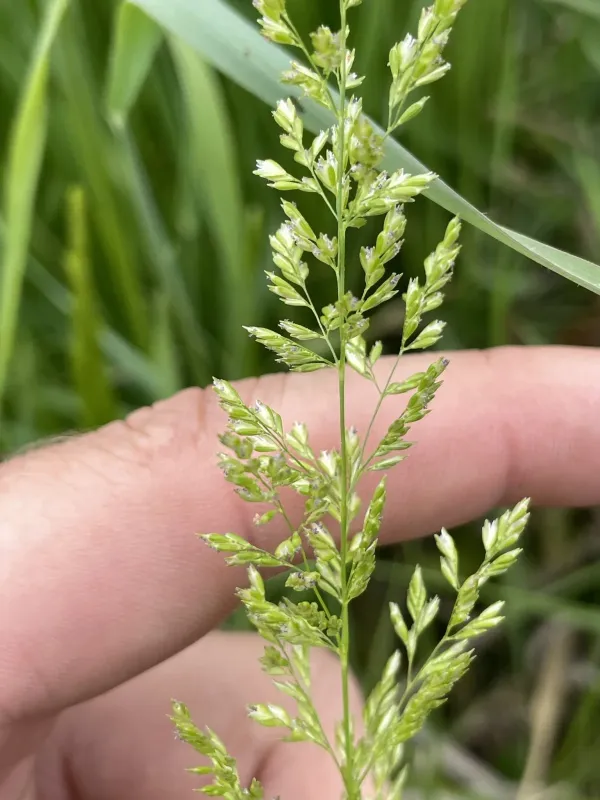
Description
Sowing dates
Sphenopholis obtusata is a perennial grass that is best established through early spring seeding to ensure the development of a robust root system. Seeds are small and should be planted at a shallow depth to ensure successful germination and emergence.
The optimal seeding rate depends on whether the crop is intended for hay production or permanent pasture. Proper seedbed preparation, including firming the soil with a roller, significantly improves the contact between the soil and the seed, which is critical for uniformity.
In mixed-species stands, this grass serves as an excellent component due to its ability to germinate and grow early in the season. Consistent moisture levels during the establishment phase are essential for the survival of young seedlings in the field.
Fall seeding is also an option in certain regions, provided that the plants have sufficient time to establish before the onset of hard frost. Early establishment prevents competition from winter annual weeds during the following spring.
Proper management of the initial stand density ensures that the grass can compete effectively with invasive species. Over time, the plant's ability to propagate helps maintain a productive and sustainable grassland ecosystem.
Growing requirements
Sphenopholis obtusata, commonly known as prairie wedge grass, belongs to the Poaceae family. It is naturally adapted to a wide range of ecological conditions, from moist meadows to well-drained upland sites.
The grass performs best in neutral to slightly alkaline soils that are rich in organic matter. While it is quite tolerant of different soil textures, it thrives in environments with consistent moisture availability throughout the growing season.
It displays remarkable winter hardiness, allowing it to adapt to various temperate climates. However, it requires good exposure to sunlight to reach its maximum productivity, as it does not thrive in heavily shaded areas.
Nutrient requirements are typical for perennial grasses, with a positive response to nitrogen fertilization in terms of forage biomass. Maintaining soil fertility through balanced nutrient application is key to long-term stand productivity.
The species is also noted for its soil-stabilizing properties. Its root system forms a dense mat that helps prevent soil erosion, making it a valuable plant for environmental restoration and sustainable agricultural practices.
Yield
The primary agricultural use of prairie wedge grass is for high-quality hay production and as a nutritious component of grazing pastures. Its palatable green foliage is highly favored by livestock, including cattle and sheep.
The nutritional profile is highest during the vegetative stage, emphasizing the importance of harvesting at the correct maturity. When managed properly, the crop can provide consistent yields that sustain grazing animals for extended periods.
The grass is known for its early spring green-up, which is a major advantage for livestock producers looking to extend the grazing season. This early availability reduces reliance on stored winter feed.
Overall biomass yield is influenced by fertility, moisture, and cutting frequency. By rotating grazing areas, farmers can preserve the vigor of the plants and ensure higher yields in subsequent growing seasons.
Inclusion of this species in forage systems provides a reliable source of energy and minerals for livestock. Its ability to regrow after harvest makes it a durable choice for long-term pasture management.
Main diseases and pests
Common fungal diseases such as rusts and powdery mildew can impact the quality of the forage under conditions of high humidity or poor air circulation. Effective management includes ensuring adequate spacing and avoiding waterlogged areas.
Insect pests, including aphids and various grass-feeding larvae, can cause damage during the active growing phase. Integrated pest management strategies, focusing on biological controls and proper timing, are typically sufficient to mitigate these threats.
The plant generally exhibits a high degree of resistance when grown in optimal conditions with proper nutrient management. Healthy, well-nourished plants are better able to withstand the pressure of common pathogens and pests.
Competition from aggressive weed species can be a challenge during the establishment phase. Mowing or controlled grazing can assist in managing these weeds, allowing the perennial grass to maintain its dominance in the stand.
Regular monitoring of the field is an essential practice for early detection of potential outbreaks. Maintaining a diverse and healthy ecosystem within the pasture helps to keep disease and pest levels under control naturally.
Harvesting
Harvesting for hay should ideally occur at the onset of the flowering stage to balance total biomass yield with forage quality. Delayed harvesting often leads to a decrease in digestibility due to the lignification of stems.
The drying process should be as efficient as possible to prevent nutrient loss due to respiration and rain damage. Using modern machinery, such as conditioners, can significantly reduce drying time and improve the quality of the end product.
For pastures, rotational grazing is the recommended practice to allow the plant time to recover after being grazed. This management approach prevents the depletion of root reserves and promotes lasting stand vigor.
Proper storage of hay in dry, well-ventilated barns is crucial to prevent the development of mold and ensure long-term nutritional value. High-quality hay can be an essential component of the winter feeding program.
By employing careful harvest timing and appropriate machinery settings, growers can minimize damage to the root systems. This consistency allows for sustained production over many years without the need for frequent reseeding.