
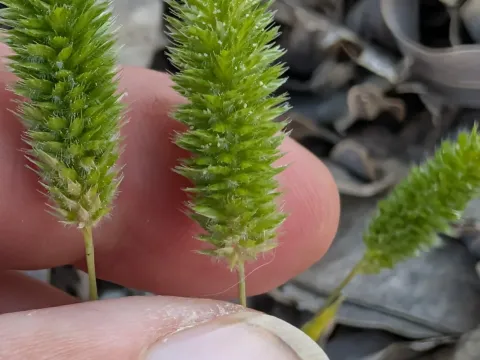
Rostraria
Rostraria
Sowing of Rostraria is typically performed during the spring season once soil temperatures have sufficiently increased to support germination. Providing optimal moisture levels during the establishment phase is vital for successful root system development in young plants.
What the section contains
 Bristlegrass rostraria
Rostraria hispida
Bristlegrass rostraria
Rostraria hispida
 Mediterranean hairgrass
Rostraria cristata
Mediterranean hairgrass
Rostraria cristata
 Rostraria azorica
Rostraria azorica
Rostraria azorica
 Rostraria litorea
Rostraria obtusiflora
Rostraria obtusiflora
Rostraria litorea
Rostraria litorea
Rostraria obtusiflora
Rostraria obtusiflora
 Rostraria pumila
Rostraria rohlfsii
Rostraria rohlfsii
Rostraria salzmannii
Rostraria salzmannii
Rostraria pumila
Rostraria pumila
Rostraria rohlfsii
Rostraria rohlfsii
Rostraria salzmannii
Rostraria salzmannii
 Rostraria smyrnacea
Rostraria smyrnacea
Rostraria smyrnacea
Rostraria
The seeding rate should be carefully determined based on the intended use, such as pasture restoration or hay production. A shallow sowing depth, ideally between 1 and 2 centimeters, ensures that small seeds receive enough soil contact without being buried too deep.
In regions with milder climates, autumn seeding is a viable alternative, allowing plants to establish themselves before the onset of winter. This can provide a head start for early spring growth as soon as temperatures permit.
Preparation of the seedbed is a fundamental step that includes light tillage to eliminate competing weeds. A smooth, even surface promotes uniform distribution and consistent plant emergence across the entire field.
When overseeding existing meadows, mechanical scarification or harrowing is recommended to reduce competition from established vegetation and ensure that seeds can access the soil surface effectively.
Rostraria belongs to the Poaceae family and is widely recognized for its adaptation to challenging environments. It thrives in open, sunny locations where other less resilient grasses might fail to survive during peak summer heat.
The plant demonstrates significant drought tolerance, which is a key trait for its success in semi-arid and Mediterranean climates. It effectively manages its water resources, making it a reliable component in sustainable grassland systems.
Soil requirements are relatively modest; the plant prefers well-drained, neutral to slightly alkaline substrates. It can tolerate poor soil quality, including rocky or slightly saline conditions, which makes it suitable for land reclamation efforts.
Lighting is crucial for the development of Rostraria. Exposure to full sunlight stimulates robust growth and high biomass production. Shaded areas lead to weak, elongated stems and a substantial reduction in the overall health of the stand.
While the plant is hardy, adequate mineral nutrition, particularly the availability of phosphorus and potassium, significantly enhances its ability to withstand environmental stress and improves long-term survival rates.
The productivity of Rostraria is largely dependent on soil fertility and site management practices. As a forage crop, it provides a valuable source of nutrients for livestock, particularly during the early vegetative growth stages.
Yields can be maximized through a balanced approach to nitrogen fertilization, which encourages rapid regrowth after grazing or mowing. Maintaining the proper stocking rate is essential to prevent overgrazing and ensure that the grass remains productive.
Seed yield varies depending on seasonal weather patterns, with dry conditions during the pollination phase generally being favorable. Proper management of the flowering period is necessary to ensure a high-quality seed harvest for future use.
Nutritional value peaks just before flowering, making it critical to time the harvest accurately to capture the best feed quality. Once the plant reaches maturity, the increase in fiber content reduces its overall palatability and digestibility.
In polyculture systems, Rostraria contributes to stable seasonal yields by performing well during periods when other, less drought-tolerant species might enter dormancy or decline in biomass production.
Rostraria is susceptible to common grass diseases, including various rust fungi and powdery mildew, which can proliferate in humid conditions. Implementing effective crop rotation practices helps to break the cycle of pathogen accumulation in the field.
Root rots pose a potential threat in fields with poor drainage or during prolonged periods of waterlogging. Proper land leveling and effective soil drainage are essential preventative measures to ensure root health and plant longevity.
Insect pests such as grass flies and aphids can cause damage during the active growing season. Integrated pest management strategies, focusing on early detection and biological controls, are preferred to minimize the impact on the ecosystem.
- Fungal leaf spots
- Stem-boring insects
- Competition from invasive weeds
- Nematode infestations
Maintaining high plant vigor through proper nutrition and avoiding excessive compaction are the best strategies to make the stand more resilient against potential disease and pest outbreaks.
Harvesting for forage purposes is best carried out during the late vegetative or early boot stage. This timing captures the ideal balance between biomass volume and the concentration of essential nutrients required for livestock health.
Seed harvesting requires attention to moisture content and timing to prevent premature shattering. Specialized harvesting equipment should be calibrated to minimize seed loss while ensuring clean collection during the peak maturity phase.
Post-harvest processing involves drying the seeds to safe moisture levels for storage. Protecting the seed from moisture and pests during storage is vital to maintaining its viability and germination potential for the following season.
Residues remaining after a seed harvest can be utilized as low-grade roughage, though they are usually incorporated back into the soil as organic matter to enhance soil structure and fertility over time.
Flexibility in the harvest schedule is recommended, allowing producers to adapt to weather-related delays or to optimize for either seed production or forage quality based on current market needs.