
Rostraria azorica
Rostraria azorica
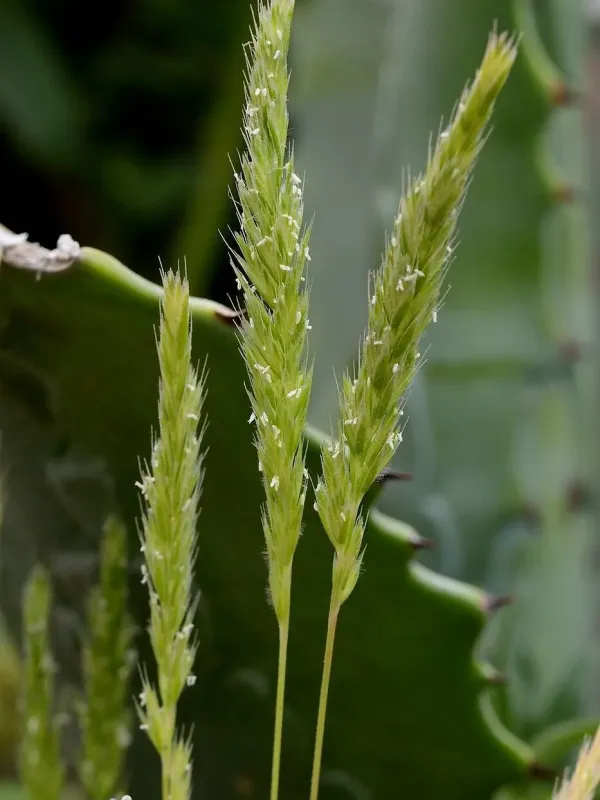
Description
Sowing dates
Sowing of Rostraria azorica should ideally take place during the early growing season when soil temperatures are consistently above the germination threshold.
Seed depth should be carefully regulated, typically kept shallow, to ensure the small seeds have sufficient access to oxygen and light for sprouting.
Using a precision seed drill can improve the uniformity of plant distribution, which is essential for uniform biomass production in forage stands.
Post-sowing irrigation may be necessary in drier regions to ensure that the soil surface remains moist during the sensitive germination phase.
Early spring seeding is generally preferred to allow the plants to establish a robust root system before the onset of potential summer drought periods.
Growing requirements
Rostraria azorica is a member of the Poaceae family, natively occurring in the Azores and adapted to specific insular environmental conditions.
The plant thrives in well-drained soils, showing a preference for substrates that mimic its natural volcanic, nutrient-rich, and aerated soil environment.
Climate requirements include mild winters and moderate summer temperatures, as excessive heat stress can inhibit the vegetative growth of this species.
Adequate sunlight is necessary for optimal photosynthesis, and plants should not be established in areas prone to heavy shading from trees or shrubs.
Soil nutrient management is crucial; although it is a hardy grass, nitrogen and phosphorus fertilization can significantly boost forage quality and yield.
Main diseases and pests
The primary threat to Rostraria azorica stands is fungal infections, which are commonly triggered by prolonged periods of humidity and poor air circulation.
Root rot caused by soil-borne pathogens can be devastating if the soil drainage is insufficient, leading to rapid decline of the affected plant populations.
Pests such as various aphid species can infest the leaves and stems, sucking sap and potentially spreading viral infections throughout the crop.
Integrated Pest Management (IPM) strategies, including biological controls and cultural practices, are recommended to manage infestation levels effectively.
Regular monitoring of field edges and interior zones is vital to catch signs of disease or pest outbreaks before they reach economic injury levels.