
Rostraria pumila
Rostraria pumila
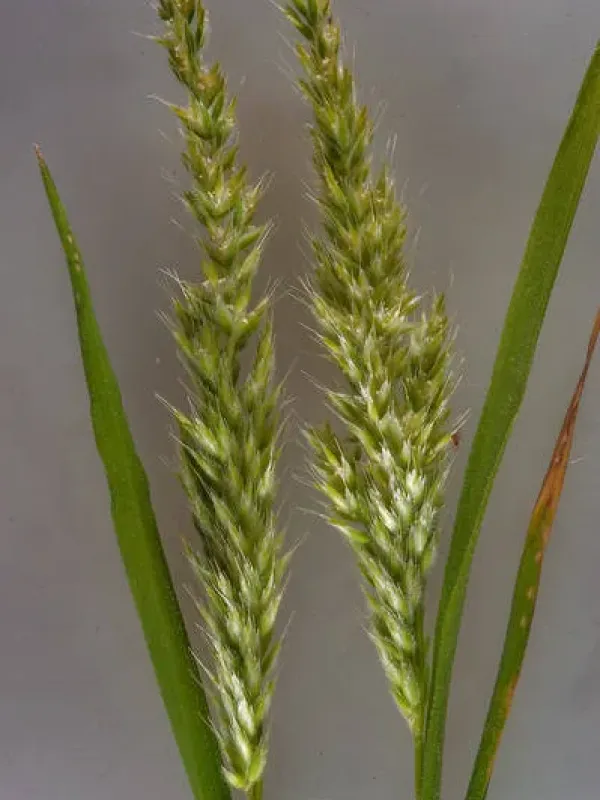
Description
Sowing dates
Rostraria pumila is an annual grass species belonging to the Poaceae family. Native to the Mediterranean basin and arid regions, this grass is well-adapted to environments where short growth cycles are required to avoid summer drought.
The biological cycle begins in the autumn, triggered by the first seasonal rains. The plant develops rapidly during the cooler winter and spring months, reaching its peak biomass production before the onset of the intense summer heat.
Sowing should ideally occur in the early autumn to maximize the plant's ability to establish a robust root system before the colder temperatures of mid-winter. Seeds can be broadcast or drilled at a shallow depth of 1-2 centimeters.
The seeding rate varies depending on the intended use, such as pasture land or soil erosion control. Given the high germination capacity of the species, moderate seeding rates are usually sufficient to achieve a dense stand.
This grass is highly resilient and serves as a primary colonizer in disturbed or degraded soils, making it an excellent choice for reseeding natural grasslands in arid to semi-arid environments.
Growing requirements
Rostraria pumila thrives in a wide range of soil types, including sandy, stony, and low-nutrient substrates. It is particularly valued for its tolerance to soil salinity, allowing it to grow where other forage grasses might struggle.
The plant demands a well-drained soil environment. While it is tolerant of temporary drought, it suffers significantly from waterlogging, which often leads to root rot and reduced plant density.
Full sun exposure is a requirement for optimal development. In shaded conditions, the plant tends to be leggy and exhibits lower biomass and seed production, limiting its agricultural utility.
Minimal fertilization is required, as the plant is adapted to nutrient-poor soils. However, moderate nitrogen application at the beginning of the spring growth phase can significantly enhance the production of green forage.
This species is highly adapted to areas prone to erosion. Its extensive root architecture helps bind loose sandy particles, making it an essential component for dune stabilization and field margin protection.
Yield
The primary use of Rostraria pumila is as a forage resource for livestock, including sheep and goats. It provides early-season grazing, bridging the feed gap before late-spring perennial grasses become available.
While the overall biomass yield is moderate compared to intensive forage crops, the nutritional value of the plant in its vegetative state is quite high, providing essential proteins for herd maintenance.
The plant is also utilized in environmental restoration projects to prevent soil degradation. Its ability to produce significant seed banks annually ensures that the stand can persist through natural regeneration.
Seed production is consistent, and the species is known for its ability to effectively compete with weeds in its natural range, which reduces the need for manual weeding in rangeland management.
The economic value is primarily driven by low inputs and high adaptability. Its presence in a pasture system increases the overall stability and resilience of the vegetation cover in regions with irregular rainfall.
Main diseases and pests
Rust fungi are the most common pathogens affecting Rostraria pumila. These infections typically appear during periods of high humidity and can significantly decrease the palatability and nutritional content of the grass.
Cereal aphids are the most significant insect pests, feeding on the succulent plant tissues during the rapid growth phase. Heavy infestations can lead to stunted growth and reduced reproductive success.
Root-rot pathogens are problematic in environments with poor drainage. Once established, these diseases can quickly decimate the stand, particularly in low-lying areas of the field or pasture.
Nematode pressure is a risk in fields with repeated annual cultivation. Implementing a crop rotation strategy is advisable to break the life cycle of soil-borne pests and maintain population densities below the damage threshold.
To prevent disease spread, managers should monitor for symptoms of infection early in the spring and avoid overgrazing, which leaves the plant vulnerable to stress and secondary infections.
Harvesting
For forage purposes, harvesting should be performed when the plants are in the late vegetative to early heading stage. This timing captures the highest protein concentration before the plant diverts energy into seed production.
If managed as a pasture, it is crucial to allow a portion of the population to mature and set seed. This natural reseeding is vital for the sustainability of the annual grass stand in the following growing season.
Mechanical harvesting for hay requires swift drying processes due to the thin, delicate nature of the leaves. High-quality hay can be produced if cut during dry, breezy conditions to accelerate the removal of moisture.
Seed harvesting should be timed carefully to avoid excessive shattering in the field. Using appropriate equipment at the correct maturation point minimizes seed loss and ensures a high-quality harvest for subsequent planting.
Post-harvest storage should be in clean, ventilated containers to prevent mold and insect damage. Ensuring the moisture content is below 14% is essential for maintaining high germination rates for future years.