
Bristlegrass rostraria
Rostraria hispida
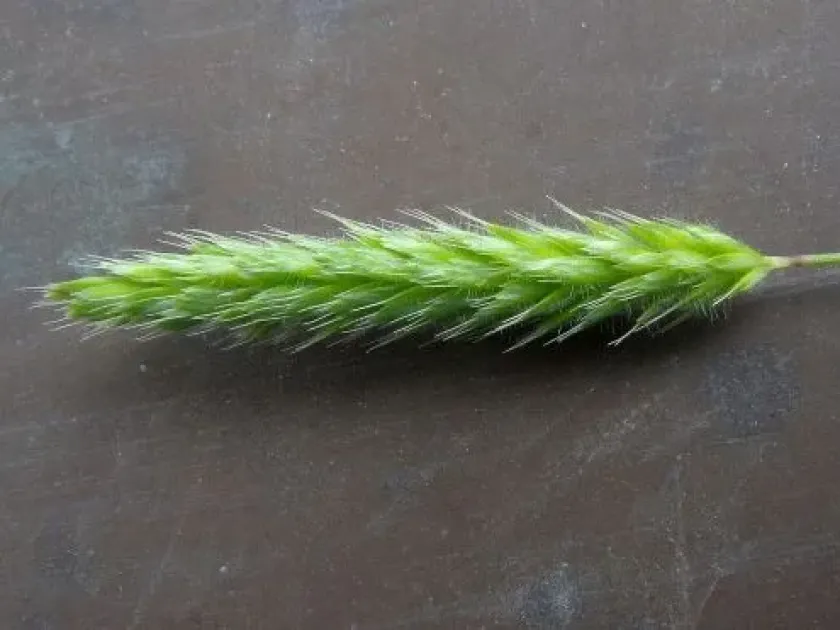
Description
Sowing dates
Rostraria hispida, a member of the Poaceae family, is an annual grass known for its rapid establishment in various agricultural environments and open field conditions.
Sowing should ideally occur in early spring, allowing the plant to leverage early season soil moisture for optimal germination and root development.
The seeds are small and require a finely prepared seedbed to ensure proper depth, typically around 1 cm, which prevents the seeds from drying out before sprouting.
Uniformity in sowing is critical; utilizing precision drills helps maintain accurate seed spacing, which directly impacts the overall density and health of the crop.
Maintaining proper weed control during the seedling phase is essential to allow the crop to establish dominance before the onset of summer heat.
Growing requirements
This species is highly regarded for its soil adaptability, thriving in rocky, sandy, or degraded soils where nutrient availability may be limited for other species.
Rostraria hispida requires full sun exposure and does not tolerate shady environments, which can lead to elongated, weak stems and lower biomass production.
Soil drainage is a priority; while the plant is drought-tolerant, it will suffer significantly if planted in waterlogged or heavy, poorly drained clay soils.
The plant demonstrates good resilience to temperate climates and can withstand fluctuating temperature ranges without significant physiological damage.
Nutrient requirements are relatively modest, though nitrogen application during early growth can significantly boost the overall green mass yield per hectare.
Main diseases and pests
The culture is generally robust, but it can be susceptible to rust fungi during periods of high humidity and poor ventilation within the dense crop stands.
Common pests include aphids, which may cluster on the developing seed heads, leading to reduced seed quality and lower germination rates in future cycles.
Root rot can occur if soil management fails to provide adequate drainage, especially during seasons with excessive, prolonged rainfall events.
Effective management includes regular field scouting and the use of integrated pest control measures to maintain the health and vigor of the pasture area.
Preventative measures, such as proper spacing and crop rotation, are essential to minimize the risk of soil-borne pathogens affecting the crop development.
Harvesting
Harvesting for forage should be timed specifically at the onset of flowering to capture the best balance of crude protein and fiber content for livestock.
Modern haying equipment is recommended to cut the crop efficiently, ensuring that the moisture content is reduced rapidly to preserve nutrients during storage.
For seed production, harvesting must be executed promptly once the seed heads mature to prevent shattering and major harvest losses due to wind impact.
Drying the harvested material thoroughly is a critical step; improper moisture levels in stored bales can lead to spontaneous heating and mold infestation.
Post-harvest management involves monitoring the field for regrowth, as some varieties may provide secondary grazing potential if conditions remain favorable.