
Rottboellia purpurascens
Rottboellia purpurascens
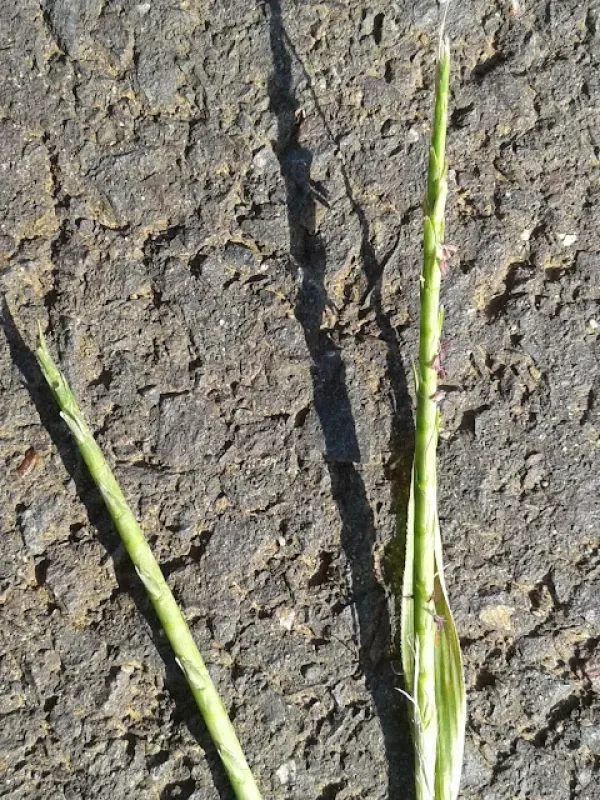
Description
Sowing dates
Rottboellia purpurascens belongs to the Poaceae family and requires strict adherence to planting dates for successful establishment. The optimal period for field operations begins when the average daily soil temperature at sowing depth warms up to 15-18 degrees Celsius.
In tropical and subtropical climates where this crop shows the best results, planting is carried out at the beginning of the rainy season. This ensures the seeds have the necessary moisture reserves for germination and subsequent active tillering.
When using the crop in forage rotations, both drill and wide-row sowing methods are practiced. The seeding depth is typically between 1 and 2 centimeters, depending on the soil texture and density of the topsoil layer.
An important stage is seedbed preparation: the surface must be thoroughly loosened to ensure maximum contact between seeds and moist soil. Excessive planting depth is highly undesirable as it slows emergence and reduces the crop's vigor.
To achieve uniform emergence, it is recommended to use calibrated seed material with high germination energy. Sowing is calculated to create an optimal plant stand density to prevent competition within the field.
Growing requirements
The crop has moderate requirements for soil fertility but performs best on well-drained loams. The optimal pH range for active root system development is between 5.5 and 7.0.
Rottboellia purpurascens is a light-loving plant, so it requires high light intensity for efficient photosynthesis and biomass accumulation. Shading leads to lodging of the stems and a sharp decline in forage quality.
The plant possesses satisfactory drought tolerance, allowing it to be used in regions with irregular rainfall. However, to obtain maximum biomass yields, stable irrigation is necessary during the phase of active vegetative growth.
The tillering phase is a critical period in agronomy, as the crop is most sensitive to nitrogen deficiency at this time. Applying mineral fertilizers during this stage ensures the formation of a robust stem structure and increases overall productivity.
It is important to ensure the soil does not become waterlogged, as stagnant water can lead to root system decay. Proper site drainage is a mandatory condition for cultivating this crop on an industrial scale.
Yield
The biomass yield of Rottboellia purpurascens depends directly on the level of agronomic management and the timing of harvesting. With intensive cultivation technology, it is possible to obtain multiple cuts within a single growing season.
Average yield indicators vary depending on the regional climatic conditions. With sufficient moisture and regular fertilization, the crop is capable of producing a significant volume of nutritious biomass.
The nutritional value of the crop is a particular asset, which remains high when harvested in a timely manner. Delayed harvesting leads to the hardening of stems, which reduces the palatability of the feed for livestock.
Optimizing plant stand density allows for the maximum possible biomass output per hectare. Regular monitoring of crop health helps to adjust the nutrient program in time to improve the final outcome.
To maintain soil fertility and increase yields in the following season, it is recommended to leave a portion of crop residues on the field. This contributes to the accumulation of organic matter and improves the soil structure.
Main diseases and pests
The main diseases of the crop include fungal infections such as rust and leaf spots, which thrive in high-humidity conditions. Timely prevention and fungicide application allow for the minimization of losses.
Among pests, various species of cereal flies and aphids, which attack young shoots, pose the greatest danger. Systemic insecticides are applied to control these pests during periods of their most active reproduction.
Root system damage can be caused by soil-dwelling pests such as wireworms and scarab larvae. In such cases, the use of seed treatments with specialized pesticides is justified.
Weed competition negatively impacts productivity. Mechanical inter-row cultivation remains an effective method for weed control during the early stages of crop development.
An integrated plant protection system, combining agrotechnical and chemical methods, ensures the most reliable pathogen control. Regular crop rotation helps to reduce the accumulation of pests in the soil.
Harvesting
Harvesting of Rottboellia purpurascens is carried out during the heading phase before the stems become coarse. This period provides the optimal balance between biomass quantity and nutritional value for livestock.
For cutting, forage harvesters or mowers set at a cutting height of 8–10 centimeters are used. This promotes rapid regrowth and allows for subsequent cuts to be obtained within a short timeframe.
After cutting, the biomass must be dried quickly if hay production is planned. In the case of silage or haylage, the chopped material must be thoroughly packed in silos to exclude air access.
Weather conditions during harvesting play a key role in the quality of the final feed. It is advisable to plan harvesting for dry periods to prevent spoilage and retain all useful nutrients.
Adherence to storage and transportation rules is the final step determining the crop's economic efficiency. The cleanliness and moisture content of the harvested mass must meet zootechnical feeding standards.