
Rostraria litorea
Rostraria litorea
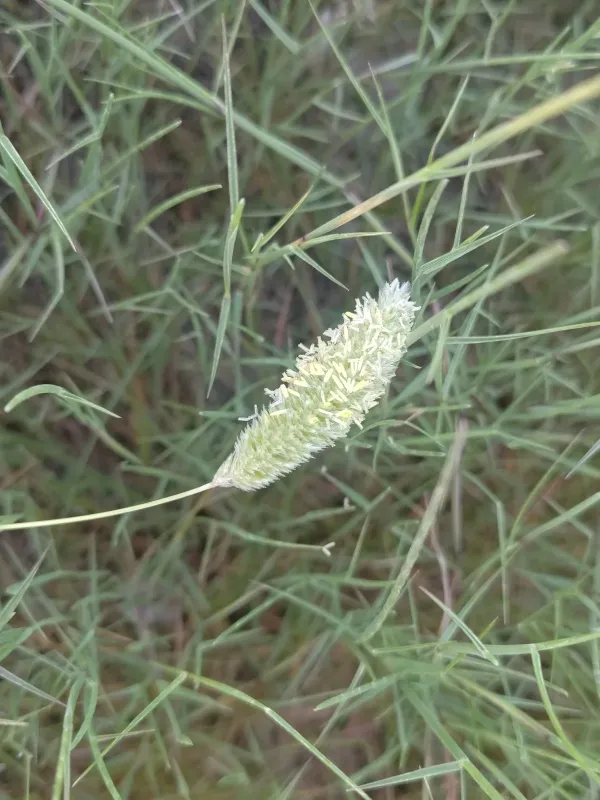
Description
Sowing dates
The optimal sowing time is during early spring, when soil temperatures are stable and moisture levels are sufficient for germination. Seed distribution should be uniform to ensure effective ground cover.
Growing requirements
Rostraria litorea is an annual grass species belonging to the Poaceae family. Known for its resilience, this plant is primarily found in coastal habitats, characterized by sandy and saline soil conditions where nutrient availability is typically low.
Botanically, the plant features narrow leaf blades and distinct inflorescences typical of the genus. Its morphological structure is adapted to withstand strong coastal winds and salt spray, making it a robust species for specialized environmental niches.
The crop thrives in well-drained, sandy substrates that allow for deep root penetration. It requires full sun exposure and is highly intolerant of waterlogged or heavy, compacted soil conditions, which can lead to rapid decline of the stand.
In terms of agricultural utility, it serves as a valuable plant for phytoremediation and soil stabilization. By securing loose topsoil, it prevents desertification and acts as a pioneer species for restoring degraded coastal landscapes.
The climatic preferences of this species are centered around Mediterranean-type climates with mild winters and dry summers. It exhibits a high drought tolerance once established, making it suitable for low-input pastoral systems in arid regions.
Main diseases and pests
Fungal diseases like rusts can occur during periods of high humidity and poor ventilation. Proper site selection and avoiding over-irrigation are key strategies to prevent these biological threats.