
Rock pseudosclerochloa
Pseudosclerochloa rupestris
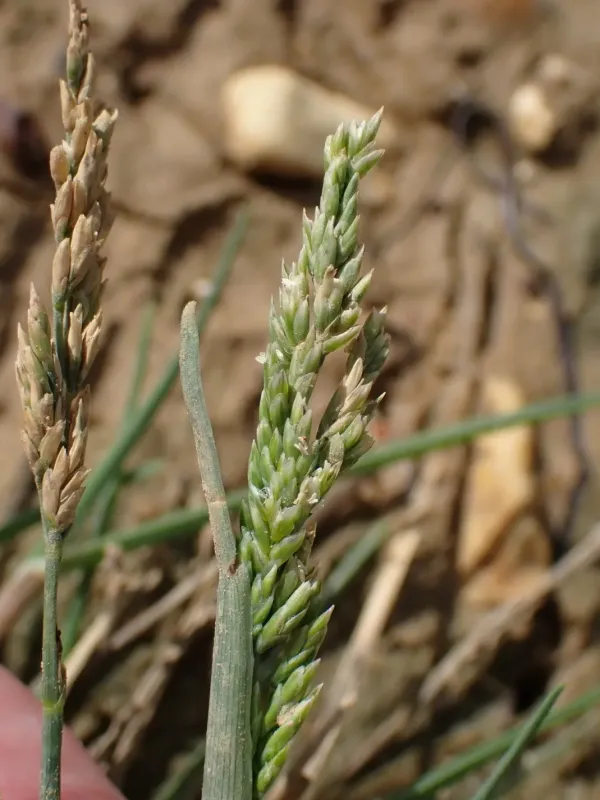
Description
Growing requirements
Rock pseudosclerochloa (Pseudosclerochloa rupestris) is a perennial grass belonging to the Poaceae family, widely recognized for its ability to thrive in challenging, high-altitude environments. It is a resilient species that plays a vital role in soil stabilization.
The plant originates from rugged mountainous regions, where it has evolved to occupy rocky substrates and nutrient-poor soils. This adaptation makes it an excellent candidate for stabilizing eroding slopes and restoring degraded landscapes.
Climatic requirements focus on its preference for temperate to cold environments. It shows remarkable tolerance to low temperatures and can endure prolonged periods of cold, provided the soil drainage is sufficient to prevent root rot.
Soil preferences lean towards well-drained, neutral to alkaline compositions common in rocky terrain. Adequate light exposure is essential, as the species is highly sensitive to shading, which directly limits its biomass production.
Agronomic management of this crop involves minimal soil disturbance to preserve the structural integrity of the rocky ground. Maintaining a balanced grazing density ensures the longevity of the plant population and prevents overgrazing of the delicate sward.
Main diseases and pests
The primary threats to Pseudosclerochloa rupestris are fungal pathogens such as rusts and mildews, which tend to proliferate in stagnant, high-humidity environments. These pathogens reduce the photosynthetic efficiency of the grass leaves.
Insect pests, including various species of grass-feeding aphids and leafhoppers, can cause significant damage during peak growing seasons. Their feeding patterns often result in yellowing and reduced vigor of the tillers.
Root system issues, primarily caused by waterlogging in compacted areas, can facilitate the entry of opportunistic soil-borne fungi. This is a critical factor to manage when selecting sites for cultivation in non-native environments.
Management of these threats relies heavily on proper pasture rotation and the maintenance of open, aerated stands. By encouraging healthy air circulation through regulated grazing, the incidence of fungal outbreaks is kept to a minimum.
Sustainable agricultural practices emphasize early detection of infestations through regular field inspections. Keeping the plant population stress-free through proper nutrient and water management is the most effective way to maintain crop health.