
Bluebunch wheatgrass
Pseudoroegneria spicata (Pursh) Á. Löve
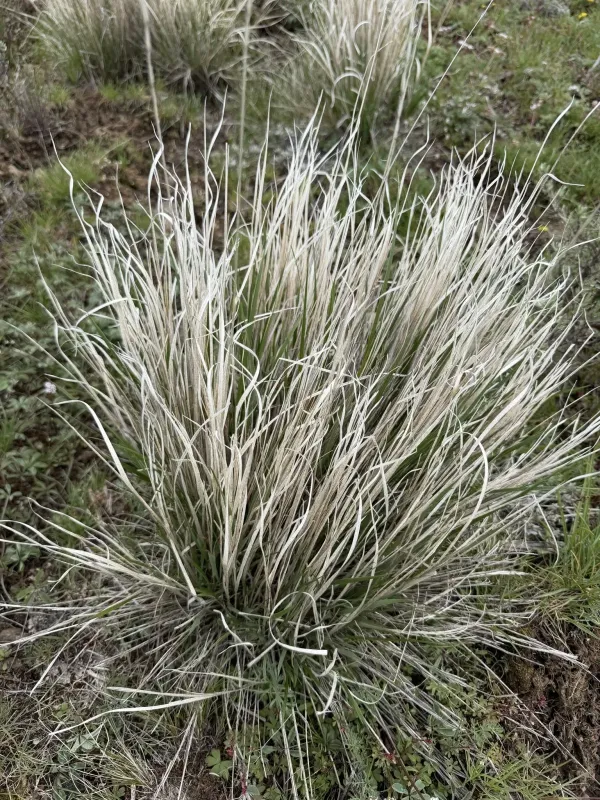
Description
Sowing dates
Seeding of bluebunch wheatgrass is best performed in the fall, allowing for natural stratification, or in early spring when soil moisture is optimal.
Seeds should be planted at a shallow depth of approximately 0.5 to 1 inch to ensure proper establishment without excessive energy expenditure during germination.
Using certified, high-purity seed is essential for establishing a dense and uniform stand, minimizing the need for subsequent weed control.
Seeding rates typically range from 8 to 12 pounds per acre, depending on the site preparation and the specific method of drill seeding employed.
Since the seedlings grow slowly, it is crucial to keep the field free of invasive weeds during the first year of establishment to ensure success.
Growing requirements
Bluebunch wheatgrass, belonging to the Poaceae family, is a highly valued native bunchgrass known for its remarkable drought tolerance.
It thrives in a wide range of soil types, from sandy loams to clay soils, provided they offer good drainage and are not prone to prolonged saturation.
The plant is perfectly adapted to semi-arid regions and is highly regarded for its ability to withstand extreme seasonal temperature fluctuations.
It prefers sunny, open environments and performs best in areas where annual precipitation ranges between 10 and 20 inches.
This grass is a key component of western rangelands, prized for its ability to protect soil from erosion on hillsides and exposed terrain.
Yield
The forage yield of bluebunch wheatgrass varies significantly based on site-specific factors such as slope, aspect, and moisture availability.
While not a high-volume producer compared to irrigated crops, it offers excellent nutritional quality, making it a staple for livestock grazing.
The grass maintains good protein levels through early summer, providing critical nutrients to cattle and native herbivores when other forage dries out.
Dry matter yields can reach 2,000 to 3,000 pounds per acre in managed systems, particularly when the stand is well-established and vigor is high.
Sustainable grazing practices are essential to maintaining these yields over the long term, as overgrazing can lead to rapid decline in biomass.
Main diseases and pests
Bluebunch wheatgrass is generally robust, but it can be susceptible to fungal diseases such as rust if moisture levels remain high for extended periods.
Grasshoppers and other insects can cause damage during dry years, occasionally necessitating integrated pest management strategies to protect the stand.
The greatest threat is improper grazing management, as continuous or heavy early-season grazing depletes energy reserves and kills individual plants.
Invasive weeds like cheatgrass often compete with bluebunch wheatgrass, so controlling these species is vital for the health of the native stand.
Maintaining a balanced ecosystem through rotational grazing helps mitigate these threats and ensures the longevity of the grass population.
Harvesting
The primary use of bluebunch wheatgrass is pasture grazing, which requires careful timing to avoid grazing during the delicate elongation phase.
If harvesting for hay, cutting should occur during the flowering stage to maximize the balance between yield and protein content of the forage.
Leaving a minimum of 6 inches of stubble is recommended to ensure the plant can efficiently photosynthesize and regrow after harvest or grazing.
Grazing intervals should be long enough to allow for full recovery, typically requiring a rest period of at least one full growing season periodically.
Seed harvesting should be undertaken when the seed heads are fully mature and dry to ensure high germination rates for future planting.