
Prionanthium
Prionanthium
Prionanthium is a genus of grasses belonging to the family Poaceae. These plants are native to the winter-rainfall regions of South Africa. They are evolutionary adapted to thrive in Mediterranean-like climates characterized by seasonal moisture variability and frequent dry spells.
What the section contains

Prionanthium
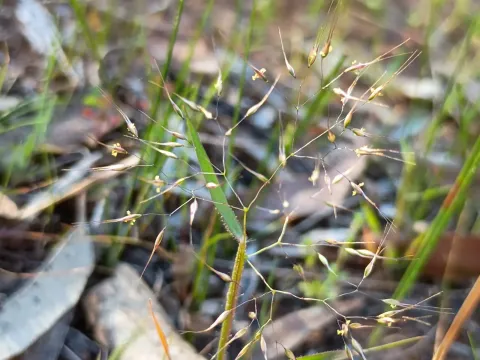
Botanically, Prionanthium species are identified by their distinct inflorescence structures. The plants generally form small tufts or compact clumps, with narrow leaf blades designed to minimize water loss. Their anatomical structure allows them to survive in nutrient-poor environments.
The growth requirements for this plant are centered on excellent drainage. It flourishes in sandy or gravelly soils where water does not accumulate. High levels of humidity combined with poor drainage are detrimental to the root health of these grass species.
These grasses exhibit strong physiological resilience, particularly regarding drought tolerance. They enter a state of reduced metabolic activity during peak heat, which allows them to persist in harsh, sun-exposed regions of the Western Cape province.
From a land-management perspective, Prionanthium serves as a part of the natural herbaceous cover. It does not currently serve as an industrial crop, but its role in soil stabilization and supporting local biodiversity within its native range is significant for environmental conservation efforts.