
Pseudoraphis spinescens
Pseudoraphis spinescens
Description
Growing requirements
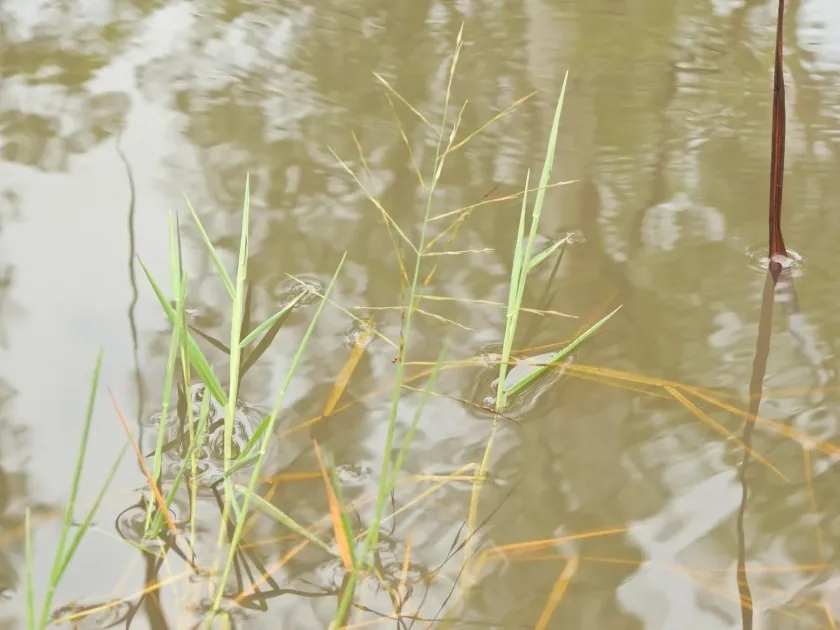
Pseudoraphis spinescens, commonly known as spiny mudgrass, is a perennial grass species belonging to the Poaceae family. It is naturally adapted to wetland environments, frequently occurring in river floodplains, swamps, and areas prone to seasonal inundation.
Botanically, the plant is distinguished by its creeping stolons and rhizomes, which allow it to form dense mats. The inflorescences often terminate in sharp, spine-like points, which are characteristic of its specific morphological adaptation to certain environmental conditions.
The crop thrives in fertile, silty or clayey soils that possess high moisture retention capabilities. It is exceptionally tolerant of anoxic conditions in the root zone, making it a valuable plant for land areas that are otherwise unsuitable for conventional cereal crops.
In terms of climate, it prefers warm, humid conditions. It requires a stable hydrological regime to achieve optimal biomass production. Drought sensitivity is a key limiting factor that requires careful water management in cultivated settings.
Agricultural use is primarily focused on its value as a forage source for livestock in wetlands. Additionally, the root system provides significant benefits for erosion control and sediment stabilization along the banks of water bodies and ditches.
Main diseases and pests
The primary threats to this grass include fungal pathogens that flourish in stagnant water conditions. Leaf spot diseases and rusts are the most frequent health issues affecting the quality of the foliage.
Pests such as specialized lepidopteran larvae and cereal aphids can cause significant damage to the plant's aerial parts. Integrated pest management strategies are necessary to prevent outbreaks during peak growth phases.
Invasive species often compete with Pseudoraphis spinescens, potentially displacing it in disturbed habitats. Maintaining the proper balance in the local ecosystem is crucial for its long-term survival.
Overgrazing by livestock is a major threat that leads to soil compaction and the destruction of the plant's delicate creeping stems. Rotational grazing practices are essential to ensure the longevity of the forage stand.
Environmental stressors, such as changes in water salinity or industrial contamination, can severely impair growth. Monitoring water quality is an important aspect of managing this crop in agricultural landscapes.