
Pseudoraphis brunoniana
Pseudoraphis brunoniana
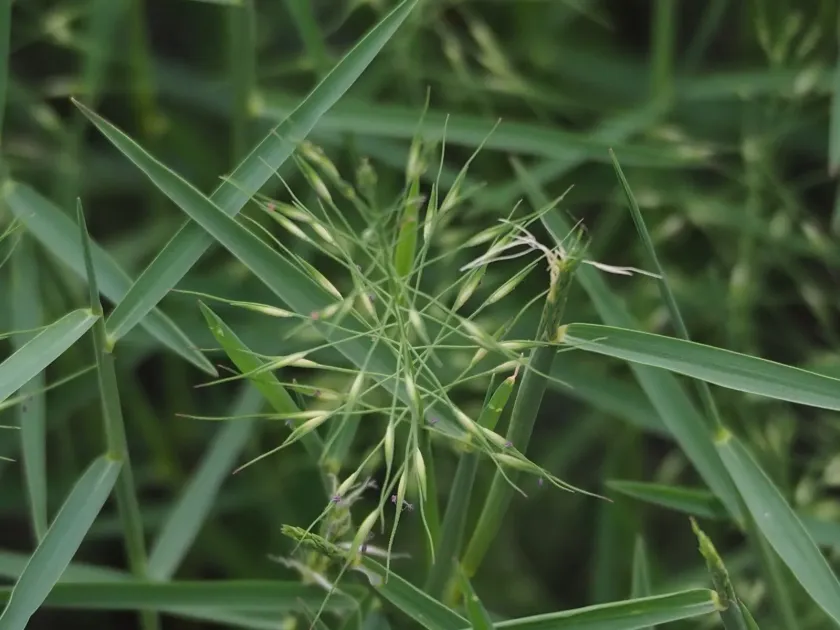
Description
Growing requirements
Pseudoraphis brunoniana is a perennial grass species belonging to the Poaceae family. It is distinctively adapted to aquatic and semi-aquatic habitats, making it a critical component of tropical and subtropical wetland ecosystems.
The plant originates from regions in Southeast Asia and Australia. It is primarily found in environments characterized by stagnant or slow-moving water, such as shallow marshes, pond margins, and seasonally flooded plains where other grasses cannot survive.
Botanically, it features highly specialized submerged and floating growth forms. The culms are equipped with aerenchyma, a spongy tissue that allows the plant to exchange gases effectively, ensuring survival in submerged conditions where oxygen availability is severely limited.
The environmental requirements for this species include high humidity, warm temperatures, and nutrient-rich silty soils. It thrives best in environments where water levels remain relatively consistent throughout the primary growing phases of the season.
In terms of agricultural and ecological utility, Pseudoraphis brunoniana serves as a valuable forage source in regions with extensive water-logged pastures. Furthermore, its root system is instrumental in sediment stabilization and improving water quality through nutrient uptake.