
Otatea acuminata
Otatea acuminata
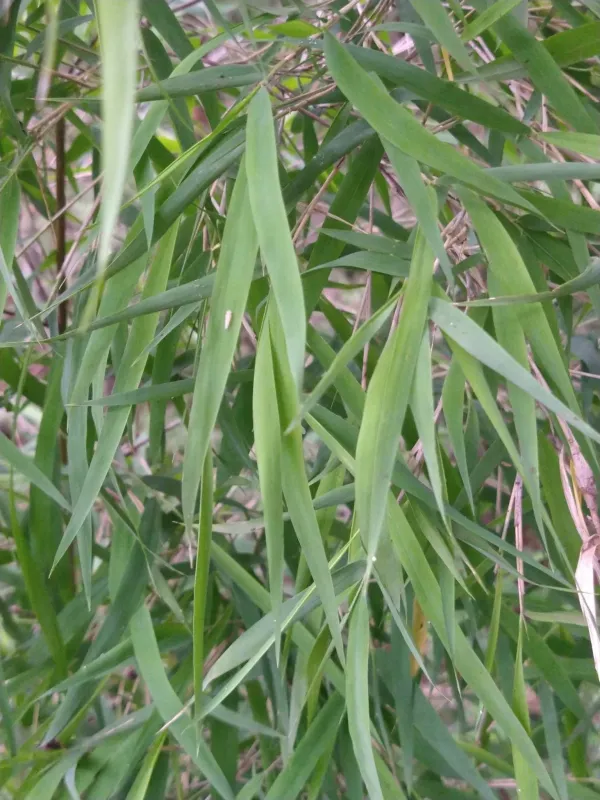
Description
Growing requirements
Otatea acuminata, commonly known as Mexican weeping bamboo, is a perennial grass belonging to the Poaceae family. It is prized for its graceful, arching culms and slender, fine-textured foliage that provides a distinct aesthetic appeal.
Native to the arid and semi-arid regions of Mexico and Central America, this bamboo species is remarkably drought-tolerant compared to other members of its family. It has evolved to thrive in harsh environments with limited water availability.
The plant requires full sun to partial shade for optimal growth. Exposure to sufficient sunlight is crucial for maintaining the plant's dense habit and vibrant leaf color, as well as for promoting strong culm development.
Soil requirements include well-drained conditions. While the plant is adaptable to various soil types, sandy loam or rocky soils that prevent waterlogging are highly recommended to ensure root health.
Cultivation management involves careful irrigation, especially during the establishment phase, and protection against extreme frost, as temperatures below -7°C can significantly damage the culms.
Main diseases and pests
The most common pests affecting Otatea acuminata are spider mites and mealybugs. These typically attack the foliage during hot, dry spells when the plant is stressed by water deficiency.
Fungal pathogens such as leaf spot can occur if the planting density is too high or if the canopy prevents adequate airflow, leading to humid microclimates within the plant base.
Biological control methods are preferred, including the use of predatory mites or neem oil applications to manage pest populations without harming the surrounding ecosystem.
Effective management includes maintaining a clean growing area by clearing weeds and debris that could harbor pests or serve as overwintering sites for harmful insects.
Monitoring the soil for moisture levels is vital, as root rot caused by stagnant water is a silent threat that can compromise the health of the entire clump before symptoms are visible on the leaves.
Harvesting
The primary agricultural use of Otatea acuminata is the harvesting of culms for artisanal crafts, including basketry, furniture making, and lightweight decorative structures due to the flexibility of the material.
Harvesting is typically performed on mature culms at the end of the growth season. Selective cutting allows the bamboo clump to maintain its structural integrity and continue producing new shoots.
Maintenance pruning is essential during the harvest cycle to remove dead or diseased stems, which helps prevent the accumulation of leaf litter and reduces fire risks in plantation areas.
Proper post-harvest handling involves air-drying the culms in a shaded, well-ventilated area to preserve their mechanical strength and prevent splitting or warping of the woody fibers.
Strategic management of the harvest ensures a sustainable yield over several years, as the clump grows by rhizome expansion rather than traditional seed planting.