
Orthoclada rariflora
Orthoclada rariflora
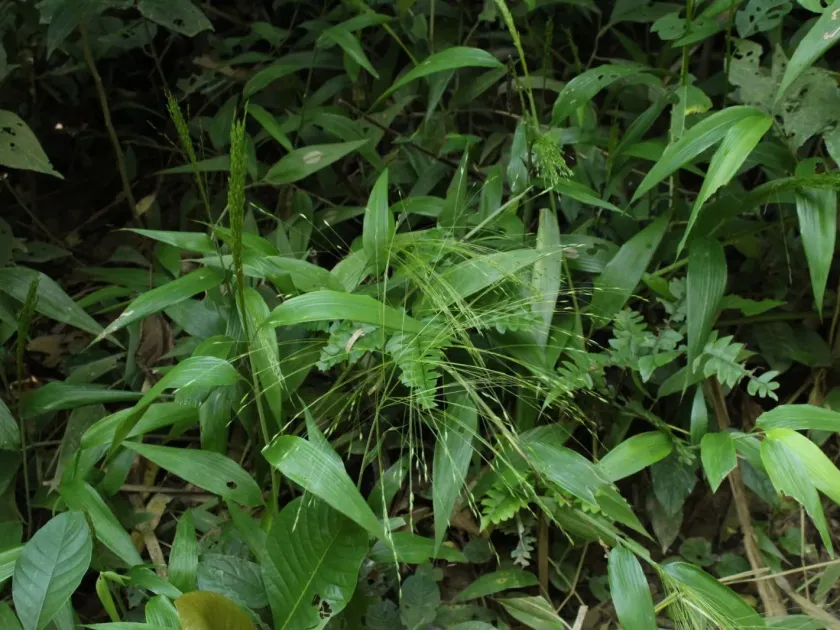
Description
Sowing dates
Orthoclada rariflora is a perennial grass species belonging to the Poaceae family. In its natural tropical habitat, it spreads primarily through rhizomes, forming dense patches that cover the forest floor or shaded areas.
For cultivation purposes, propagation is best achieved by dividing established clumps during the onset of the wet season. This method ensures that the plant has sufficient time to establish a robust root system before any potential stress periods occur.
When starting from seeds, they should be sown in shallow furrows, lightly covered with nutrient-rich soil to ensure moisture retention. Maintaining consistent humidity is critical during the initial germination phase, which can take several weeks depending on temperature.
Spacing is a vital consideration for commercial production; planting in rows with a distance of 40–50 centimeters allows for adequate light penetration and simplified maintenance operations throughout the growth cycle.
Young plants require careful monitoring and manual weeding to ensure they are not overtaken by faster-growing local vegetation. Once established, the species is highly competitive and effectively suppresses invasive weeds in its immediate vicinity.
Growing requirements
This species is specifically adapted to shaded and semi-shaded environments, making it an excellent candidate for integration into agroforestry systems. It thrives in high-humidity conditions where temperatures range between 20 and 30 degrees Celsius.
The soil should be well-drained yet capable of holding significant amounts of moisture. Rich, loamy soils with a slightly acidic to neutral pH are ideal for promoting healthy leaf growth and vigorous rhizome expansion.
Protection from direct, intense sunlight is necessary to prevent leaf scorching and excessive transpiration. In open areas, providing artificial shade cloth can significantly improve the quality and yield of the biomass produced.
Adequate nitrogen supply is essential for maximizing vegetative output. Organic compost or balanced fertilizers should be applied at the beginning of the growing season to boost plant health and leaf protein content.
Consistent water availability is crucial, as the plant lacks drought-tolerance mechanisms. Installing an efficient irrigation system ensures uniform growth across the plantation, especially during intervals between seasonal rainfalls.
Yield
The primary yield of Orthoclada rariflora is its vegetative biomass, which is highly valued as a forage source in tropical livestock farming. Frequent harvesting cycles contribute to higher cumulative annual production.
Yield metrics are largely determined by soil fertility and the frequency of fertilizer application. Proper management allows for several harvests per year, provided the plant is given sufficient time to recover between cuts.
Biomass quality is at its peak when the plant is harvested just before the onset of the flowering phase. At this stage, the leaves are soft, highly palatable, and packed with essential nutrients for animal consumption.
Post-harvest processing involves quick drying if the material is to be stored for later use. Maintaining a low-temperature drying environment is key to preserving the nutritional integrity of the grass leaves.
Average yield per hectare can be quite competitive if managed as an intensive crop. Strategic harvesting intervals prevent the plants from becoming too fibrous, ensuring the final product remains suitable for various livestock categories.
Main diseases and pests
High humidity, while necessary for growth, can also promote the development of various fungal pathogens. Leaf spots and rusts are common issues that require monitoring and early intervention to prevent significant yield losses.
Pests such as aphids and leaf-eating larvae may infest the dense foliage. Integrated pest management, which includes encouraging natural predators and avoiding excessive chemical pesticide use, is recommended for sustainable production.
Soil-borne nematodes can pose a threat to the rhizome system, particularly in soils that are not properly aerated. Crop rotation and the addition of organic matter help maintain healthy soil biology and resilience against these pests.
Competitive weeds can be managed through regular mulching, which also helps retain soil moisture and improves overall plant health. Avoiding chemical herbicides is preferred to maintain the forage quality for animal consumption.
Effective management includes maintaining a clean field and removing any plant debris that could harbor disease spores. Providing proper airflow by spacing plants correctly is the most effective preventative measure against most common threats.
Harvesting
Harvesting should be timed to maximize nutrient content, ideally cutting when the grass is in full vegetative growth. Delaying the harvest allows the plant to allocate energy to reproduction, which lowers the protein levels in the foliage.
The cutting height must be maintained at a safe distance from the ground to prevent damage to the rhizome buds. This ensures the plant remains vigorous and can regenerate quickly after the harvest is complete.
Manual scythes or mechanical forage harvesters should be kept sharp to ensure clean cuts, which facilitate faster healing and lower the risk of post-harvest infection. Proper equipment maintenance is essential for large-scale operations.
For optimal quality, the harvested biomass should be used immediately. If long-term storage is required, the grass should be air-dried in a shaded, well-ventilated location to prevent nutrient leaching or spoilage.
Regular maintenance of the field after the harvest, including debris clearing, prepares the area for the next growth cycle. This practice keeps the plantation productive and reduces the long-term risk of pathogen buildup in the soil.