
Eremitis parviflora
Eremitis parviflora
Description
Growing requirements
Eremitis parviflora belongs to the Poaceae family. This species is categorized among the bamboo-like grasses, which are relatively rare in commercial agriculture and typically found in specialized ecological niches within the tropics.
Native to South America, particularly within the Atlantic Forest biome, this plant thrives in the understory of dense forests. Its natural habitat is characterized by high humidity, stable warm temperatures, and filtered sunlight provided by the canopy of larger trees.
Agricultural requirements focus on mimicking the forest floor environment. The soil must be rich in organic matter, loose, and well-drained, as the species is highly sensitive to root asphyxiation caused by waterlogging or soil compaction.
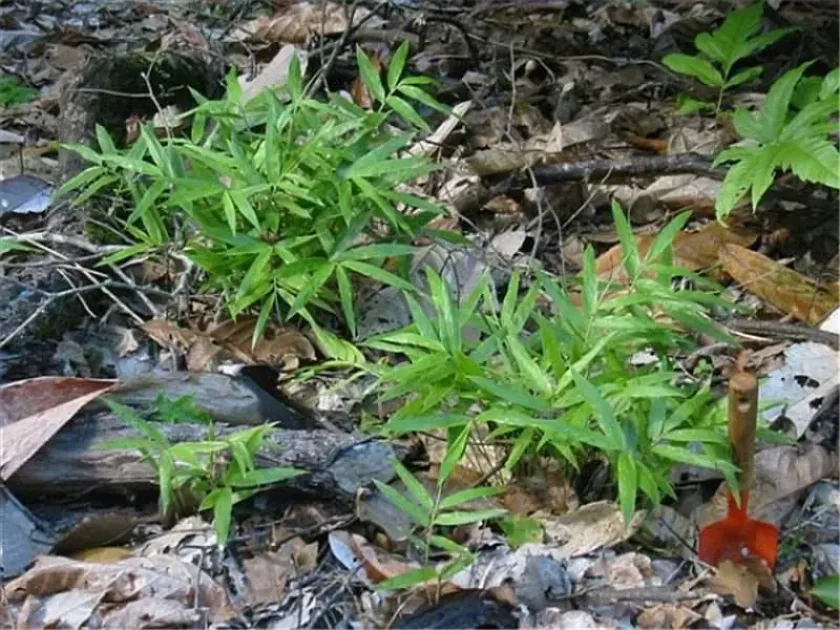
Botanically, the plant features semi-erect to trailing stems and elongated leaves that demonstrate a high degree of adaptation to low-light conditions. The growth habit is typically clump-forming, which helps in moisture retention around the base of the stems.
Successful cultivation requires strict climate control. In greenhouse settings, maintaining high ambient humidity and preventing exposure to direct harsh sunlight are the primary management tasks to ensure optimal vegetative development.
Main diseases and pests
The main threats to Eremitis parviflora include fungal pathogens that attack the root system. These often stem from improper irrigation schedules or the use of heavy, poor-quality growing media that does not allow for efficient gas exchange.
Pest pressures primarily involve sap-sucking insects such as spider mites and aphids. These pests can rapidly proliferate in environments where the air humidity is not sufficiently monitored or maintained at high levels.
Foliar diseases, such as leaf spot, can occur when plants are kept in stagnant air conditions with high moisture. Ensuring good air circulation is crucial to reducing the risk of these infections taking hold in a dense planting.
Mechanical damage to the leaves can also serve as an entry point for bacteria and fungi. Handling the plants with care is essential, especially during maintenance operations like pruning or transplanting, which should be done with sanitized equipment.
Prevention remains the most effective strategy. Integrated pest management, including regular monitoring and the maintenance of a clean growing environment, is recommended to keep this sensitive grass species healthy and productive.