
Eragrostis xylanica
Eragrostis xylanica
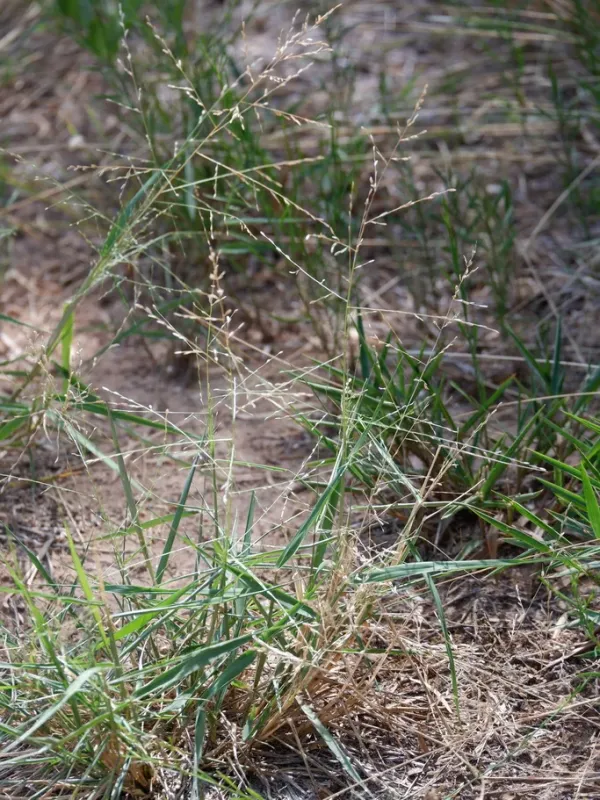
Description
Growing requirements
Eragrostis xylanica, belonging to the Poaceae family, is a notable grass species recognized for its resilience and adaptability. It is a warm-season grass that thrives in arid and semi-arid environments where other conventional forage crops might struggle to survive.
This crop prefers sandy or well-drained soils, which allow its root system to penetrate deeply and access water efficiently. Its ability to withstand drought makes it a valuable asset for farming in regions prone to water scarcity.
Sunlight is a critical requirement for the optimal development of this plant. It requires high light intensity to promote biomass production and successful flowering, which is essential for both seed yield and vegetative growth.
Soil chemistry tolerance is one of the most distinctive features of this species. It has shown a remarkable ability to grow in saline soils, providing farmers with a viable option for utilizing marginal lands that are otherwise unsuitable for traditional agriculture.
Effective agrotechnical practices for this plant involve balanced fertilization, particularly with nitrogen, to encourage leafy growth. Proper land preparation is necessary to ensure uniform germination and to allow the crop to establish a robust stand quickly.
Yield
The primary use of Eragrostis xylanica is for forage production, specifically for grazing and hay making. Its high protein content and palatability make it an excellent choice for improving the nutritional quality of animal feed.
Yield stability is a key advantage of this species. Even under fluctuating seasonal conditions, it maintains a consistent level of biomass production, which helps agricultural enterprises plan their feed reserves more reliably.
Regeneration capacity after cutting or grazing is high, allowing for multiple harvests within a single growing season. This persistence ensures that the pasture remains productive for several years without the need for frequent reseeding.
Seed production is prolific, and the seeds demonstrate good germination rates. This allows for natural reseeding, which can help maintain the density and vigor of the pasture over long periods, reducing maintenance costs.
When managed correctly, the biomass harvested from this crop provides a high-quality, sustainable source of nutrients for livestock. It is particularly valued in integrated farming systems where soil health and forage efficiency are priorities.
Main diseases and pests
Like many Poaceae species, Eragrostis xylanica can be susceptible to fungal diseases if moisture levels are not managed correctly. Over-irrigation or poor drainage can lead to root rot and other moisture-related pathogens.
Common agricultural pests such as aphids and various larvae can occasionally impact the crop. Regular monitoring and the use of integrated pest management (IPM) strategies are recommended to keep damage below economic thresholds.
Cultural control, such as adjusting the planting density and ensuring proper soil aeration, is the first line of defense against disease. Maintaining a healthy, vigorous crop stand is the best deterrent against weed competition.
Seed treatment is a critical preventive measure against soil-borne pathogens. Using certified, healthy seeds helps ensure that the initial stages of plant growth are free from early-season disease pressure.
Rotation with non-host crops is advised to prevent the buildup of specific pests or soil diseases in the field. This agronomic practice helps break the life cycle of pests and sustains the long-term fertility and health of the soil.