
Eragrostis uniolae
Eragrostis uniolae
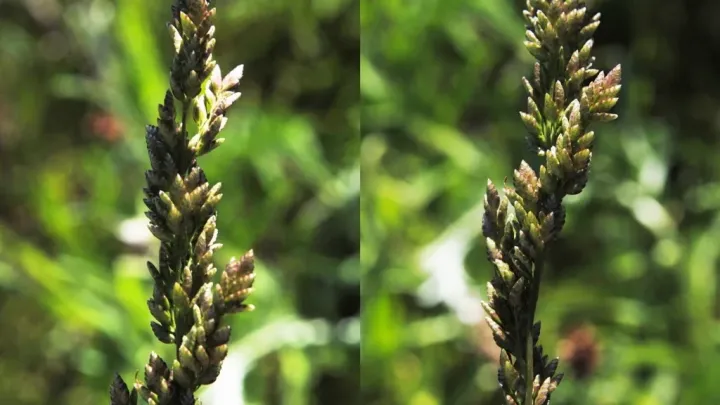
Description
Growing requirements
Eragrostis uniolae, commonly known as a type of lovegrass, belongs to the Poaceae family. This perennial grass species is well-regarded for its robust growth habit and ability to thrive in environments where nutrient levels or moisture availability may be limiting for other agricultural crops.
The plant features a distinct tufted growth form with slender leaves and characteristic panicle inflorescences. This structural adaptation allows Eragrostis uniolae to minimize water loss through transpiration, which is a critical trait for sustainability in regions experiencing climate variability and hot summers.
In terms of soil requirements, this species is highly adaptable, showing a preference for sandy and well-drained soils. Its deep root system facilitates the uptake of minerals and water from lower soil horizons, contributing to its reputation as a resilient crop that can withstand moderate soil acidity and marginal conditions.
Climate needs include full sunlight exposure and warm temperatures throughout the growing season. It is particularly responsive to heat, which accelerates its biomass accumulation. In regions with long growing seasons, it serves as a reliable source of green fodder when cool-season grasses become dormant due to heat stress.
The primary agricultural use is focused on forage production. The biomass provides essential fiber and nutrients for livestock. It is often integrated into grazing management systems because of its impressive ability to recover rapidly after defoliation, whether by mowing or by grazing animals.
Main diseases and pests
Like many species in the Eragrostis genus, Eragrostis uniolae is generally resilient to pests. However, it can be susceptible to fungal diseases such as leaf rust if the planting density is too high or if airflow is restricted in humid weather conditions.
Common agricultural pests, including grasshoppers and certain types of root-feeding larvae, might affect stands, particularly in new plantings. Maintaining proper field hygiene, such as controlling weeds that could harbor pests, is essential for ensuring a healthy and productive perennial stand.