
Eragrostis trichophora
Eragrostis trichophora
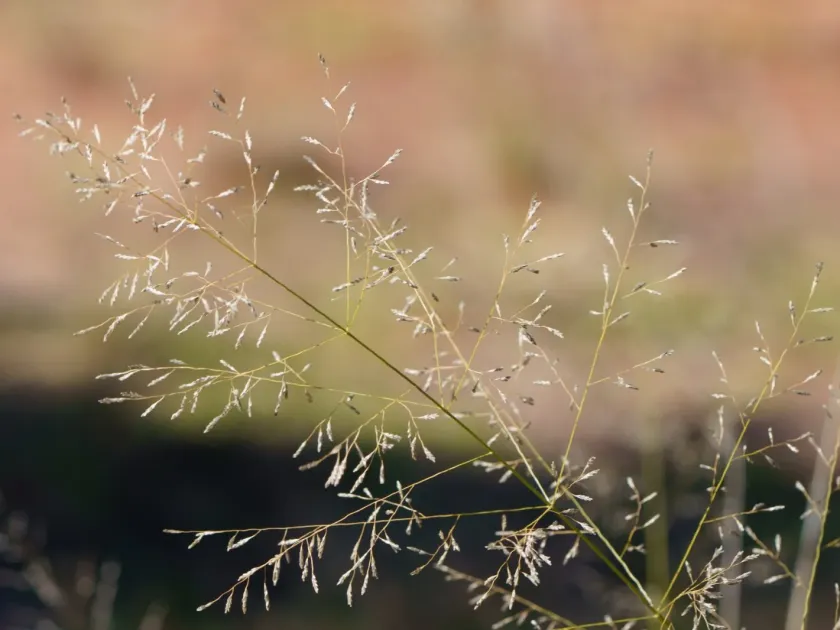
Description
Sowing dates
Sowing Eragrostis trichophora should be planned for the spring season once the soil temperature consistently reaches 12–15 degrees Celsius.
Ensuring adequate surface soil moisture during the first two weeks post-sowing is critical for successful germination and root establishment.
A standard row-seeding method is recommended to maintain a uniform stand, which simplifies subsequent field management and weed control.
Due to the small size of the seeds, planting depth should not exceed 1–2 centimeters, ensuring sufficient light exposure for initial sprout development.
The recommended seeding rate is approximately 8–10 kilograms per hectare, depending on the specific soil conditions and intended pasture density.
Growing requirements
As a member of the Poaceae family, this species is noted for its exceptional drought tolerance and ability to thrive in arid environmental conditions.
The crop prefers well-drained, light-textured soils such as sandy loams, though it demonstrates strong adaptability to nutrient-poor soil types.
Eragrostis trichophora requires full sunlight to achieve optimal growth, as shading from taller vegetation significantly limits its biomass production.
The ideal soil pH range for vigorous growth is between 5.5 and 7.0, covering slightly acidic to neutral soil chemical profiles.
The plant possesses a robust and deep-reaching root system, enabling it to efficiently extract soil moisture even during prolonged dry spells.
Yield
Forage biomass yield is highly dependent on timely nitrogen fertilization, which triggers accelerated leaf growth during the active vegetation phase.
Under irrigated conditions, the crop exhibits high productivity, potentially yielding up to 3–4 harvests within a single growing season.
Average dry hay yields typically range from 4 to 6 tons per hectare, contingent upon optimal soil fertility and favorable climate management.
Nutritional quality is best maintained when the harvest is executed before the onset of lignification and significant seed head formation.
Integrating this grass into forage rotations provides both a high-quality feed source and improved soil structure through dense root systems.
Main diseases and pests
The primary threat to stand health is waterlogging, which often leads to root rot and significant thinning of the grass population in heavy soils.
Insect pests, such as cereal flies and aphids, can cause localized damage to seedlings, requiring regular monitoring of the young vegetation.
Weed competition during the establishment phase can severely inhibit development, making early-stage mechanical weeding a necessary practice.
Fungal leaf diseases can manifest under high humidity conditions, potentially reducing the nutritional density of the harvested hay product.
Maintaining proper field drainage and avoiding overly dense sowing rates are the best preventive strategies against potential plant pathogens.
Harvesting
The harvest should ideally commence at the early heading stage to maximize the protein and sugar content of the forage biomass.
The cutting height must be maintained at a minimum of 5–7 centimeters to protect the crown and ensure rapid regrowth of the next cycle.
During hay production, careful drying in windrows is essential to preserve leaf integrity and prevent the loss of nutrients from UV exposure.
Utilizing specialized harvesting equipment allows for efficient processing, maintaining the overall energetic value of the forage for livestock.
Post-harvest management should include soil nutrient replenishment to stimulate the plant's recovery and enhance yields for subsequent growth cycles.