
Disakisperma dubium
Disakisperma dubium (Kunth) P. M. Peterson & N. Snow
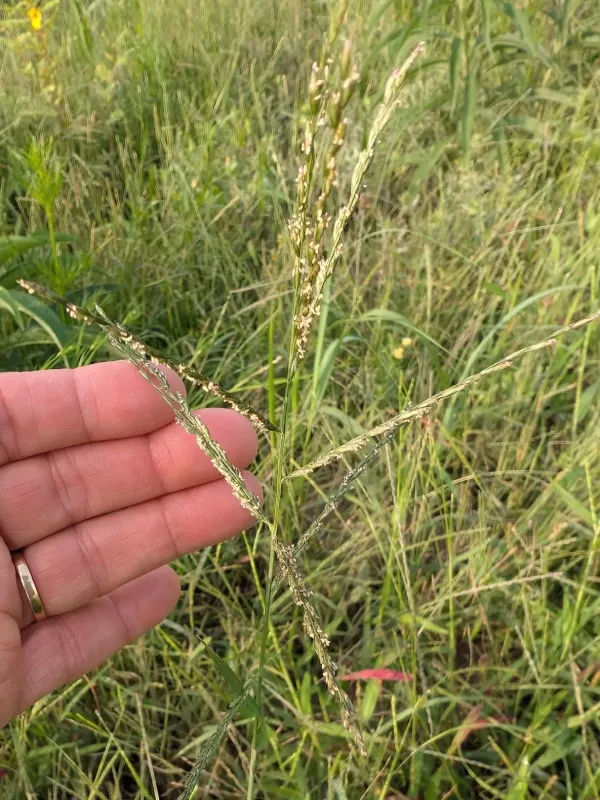
Description
Sowing dates
Disakisperma dubium, formerly known as Leptochloa dubia, is a perennial grass belonging to the Poaceae family. The plant possesses a robust root system, making it a promising candidate for cultivation in arid and semi-arid climatic zones.
Sowing should be performed in the spring when soil temperatures reach 15-18 degrees Celsius. The optimal seeding depth is between 0.5 and 1.5 centimeters, as the seeds are quite small and require shallow placement to ensure successful germination.
To establish a healthy stand, seeding rates are calculated based on seed purity and germination percentage. Typically, 4 to 6 kilograms of seed per hectare is required when planted in rows with spacing up to 30 centimeters.
Crucial to success is thorough seedbed preparation, which must be leveled and cleared of weeds. Disakisperma is sensitive to competition during early growth stages, so ensuring a clean field during the plant's first year of life is a critical condition for establishment.
The crop is characterized by slow initial growth, requiring careful monitoring of topsoil moisture during the first 30-45 days after emergence. If precipitation is insufficient during this period, supplemental irrigation may be necessary to support primary root system development.
Growing requirements
Disakisperma dubium is adapted to various soil types, including rocky, sandy, and loam soils with moderate alkalinity. It demonstrates high tolerance to salinity, which allows it to be utilized for the restoration of degraded lands.
A primary requirement for the plant's full development is exposure to direct sunlight throughout the day. The crop does not tolerate shading, as this leads to a sharp decrease in tillering intensity and overall biomass productivity.
The plant exhibits strong drought resistance, allowing it to survive during prolonged dry spells. It effectively utilizes moisture from deep soil layers due to its deep-penetrating roots, a characteristic feature of this grass species.
The optimal temperature range for active vegetation is between 20 and 30 degrees Celsius. While sensitive to extreme frost, Disakisperma dubium is capable of overwintering in regions with temperate winters once properly established.
To improve yields, the plant responds well to moderate nitrogen fertilizer applications, especially during the active spring regrowth phase. Maintaining a balance of micronutrients in the soil is also recommended to ensure the longevity of the stand.
Yield
Biomass yield depends directly on seasonal climatic conditions and the quality of management. Under favorable circumstances, the crop is capable of producing a high volume of biomass suitable for hay production or livestock grazing.
Maximum productivity is achieved through regular cutting, which stimulates the growth of new vegetative shoots. On average, two full cuts per season can be achieved provided there is adequate nutrition and moisture availability.
The chemical composition of the biomass is characterized by optimal levels of crude protein and fiber, making it a valuable component of livestock diets. During the flowering period, the nutritional value decreases slightly, so harvest timing is of paramount importance.
Disakisperma dubium is valued for its persistence in pastures, retaining high forage quality for several years under rational grazing management. Overgrazing negatively affects stand density and can lead to the decline of the crop.
For seed production, yields are approximately 200-400 kilograms per hectare depending on agrotechnical practices. It is important to note that seed maturation is uneven, which requires timely intervention during harvest operations.
Main diseases and pests
The crop possesses high natural resistance to most typical agricultural pests of grass species. This quality allows for significant reduction in costs associated with the application of chemical plant protection products.
In conditions of high humidity and water stagnation in fields, fungal diseases such as leaf rust may develop. To prevent the spread of infection, it is recommended to maintain optimal seeding density and avoid over-irrigation.
Among pests, soil insects causing damage to seeds and seedlings present the greatest risk during the early establishment phase. The use of high-quality treated seed material helps minimize the risks of young plant loss.
Competition from weeds is the primary threat during the first year of cultivation. Timely mechanical weeding or the use of selective herbicides allows the crop to establish and form a resilient sward.
During long-term pasture use, plants may be subject to specific pathogens, which is why crop rotation and periodic renewal of stands remain important elements of crop protection in commercial farming.