
Dinebra retroflexa
Dinebra retroflexa (Vahl) Panz.
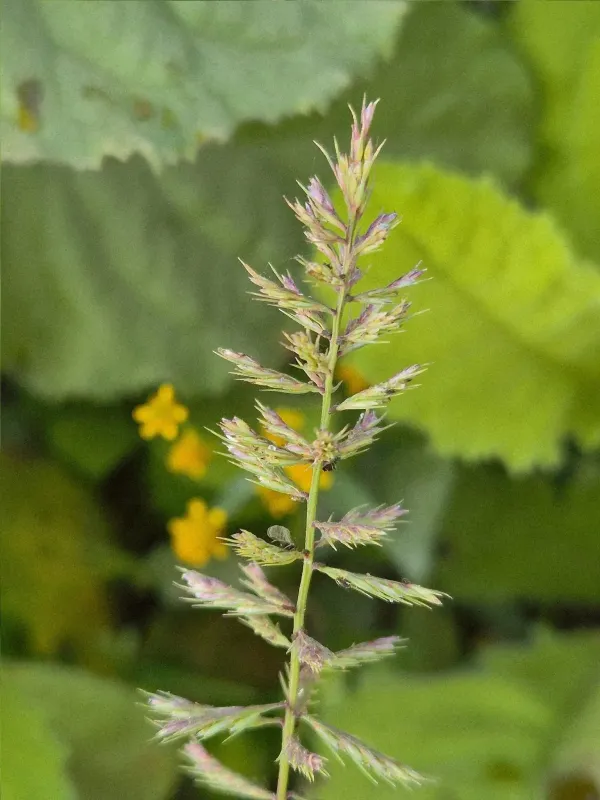
Description
Growing requirements
Dinebra retroflexa is an annual grass species belonging to the Poaceae family. Primarily found in tropical and subtropical regions of Africa and Asia, it is recognized for its ability to thrive in warm, humid climates and diverse soil environments.
The plant requires high solar radiation and consistent warmth to reach its biological potential. In agricultural practice, it is often treated as a forage crop in areas where rainfall is sufficient during the growing season, preventing thermal stress.
Soil requirements for Dinebra include good moisture retention and a neutral to slightly alkaline pH. While the plant can tolerate short periods of waterlogging, it performs best in well-drained soils that support vigorous root development.
Agronomic management involves preparing a fine seedbed to ensure proper germination. Given its nature as a fast-growing annual, it can respond well to moderate nitrogen fertilization, which enhances biomass yield during the peak growing months.
The primary use of this species is in livestock feeding. It serves as a valuable nutritional source in grazing systems, providing sufficient protein levels when harvested at the appropriate phenological stage before lignification occurs.
Main diseases and pests
Disease pressure in Dinebra retroflexa often stems from fungal pathogens such as rusts and smuts. These infections are typically exacerbated by high humidity levels and lack of proper canopy ventilation, leading to leaf lesions.
Insect pests, specifically aphids and certain types of grass bugs, pose a threat by feeding on succulent tissues. These pests can significantly reduce the vitality of the plant and serve as vectors for secondary viral diseases.
Seed-feeding insects represent a major hurdle during the maturation phase. Protecting the generative organs from pests is critical for maintaining high-quality seed production for subsequent planting cycles.
Root-knot nematodes and other soil-borne parasites can impede nutrient uptake, leading to stunted growth. Crop rotation is an essential strategy to break the life cycles of these organisms and improve overall field health.
Management of these threats necessitates a balanced approach, incorporating cultural practices such as crop rotation, balanced fertilization, and timely harvest to reduce the window of vulnerability to biotic stress.