
Dinebra divaricatissima
Dinebra divaricatissima
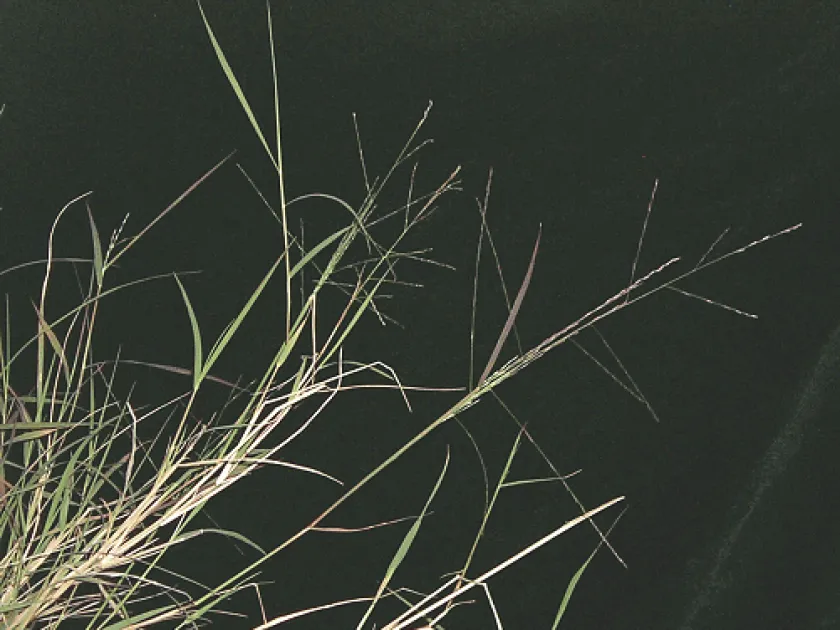
Description
Growing requirements
Dinebra divaricatissima belongs to the Poaceae family and is recognized for its adaptive capacity to thrive in environments where resource availability is strictly limited.
The plant exhibits unique morphological adaptations, including a dense root architecture that maximizes nutrient and water uptake in arid soil profiles.
Optimal growth requires well-drained, nutrient-poor to moderately fertile soils where the crop can establish its deep root system without competition from invasive species.
As a heliophilic species, it demands full exposure to solar radiation, which facilitates its rapid metabolic rates during the peak growing season in tropical latitudes.
Climatic requirements focus on high heat tolerance, making this grass a suitable candidate for areas susceptible to desertification or prolonged dry spells where cool-season grasses fail.
Harvesting
The primary agricultural application of Dinebra divaricatissima is as a forage resource for livestock grazing and dry matter production in extensive farming systems.
Harvesting for hay should be timed specifically to the late vegetative stage, ensuring the nutritional value—specifically the protein content—remains at a desirable level.
Mechanical harvesting via mowing is efficient due to the upright growth habit of the stems, allowing for uniform drying patterns in the field under standard meteorological conditions.
Rotational grazing protocols are essential to manage the forage height and allow for the plant's recovery, preserving the root reserves required for seasonal regrowth.
Seed harvesting is conducted when the inflorescences show signs of senescence and color change, requiring careful handling to prevent seed shattering during the cutting and threshing process.