
Dichanthelium aciculare
Dichanthelium aciculare
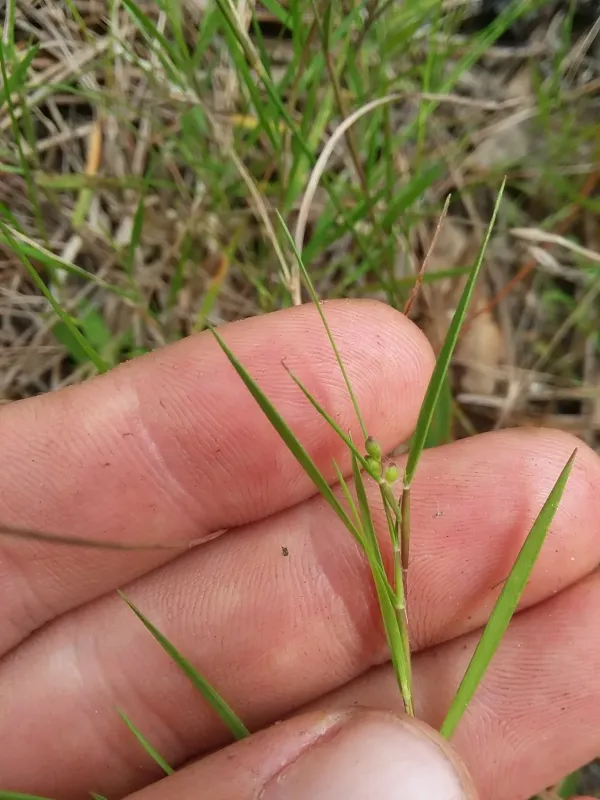
Description
Growing requirements
Dichanthelium aciculare is a perennial grass species belonging to the Poaceae family. It is native to North America and is well-adapted to various habitats, ranging from open woodlands to maintained pasture lands.
This species thrives in well-drained sandy or loamy soils. It is known for its ability to tolerate nutrient-poor soil conditions while maintaining a stable vegetative cover throughout the growing season.
The plant prefers full sun exposure but exhibits a remarkable capacity to survive in partial shade, making it a versatile component of diverse grassland ecosystems.
Climatic requirements are relatively flexible; the species performs best in temperate environments where rainfall is moderate and distributed throughout the spring and summer months.
Botanically, it features a tufted growth habit with narrow, needle-like leaves, which gives it high resistance to grazing and environmental stress. Its root structure is robust, allowing the plant to persist in harsh conditions.
Main diseases and pests
Fungal pathogens such as rust and powdery mildew are the most significant threats to the foliage of Dichanthelium aciculare, especially in regions with high humidity levels.
Insect pests, including grass aphids and wireworms, can damage the plant by feeding on its stems and roots, potentially reducing the overall density of the grass stand.
Improper soil drainage is a common issue that triggers root-related diseases. Ensuring proper field leveling and drainage maintenance is crucial for long-term stand health.
Weed competition is particularly dangerous during the establishment phase. Early intervention through selective mowing or controlled grazing helps the species gain a competitive advantage.
Monitoring for signs of pest infestation during the peak growth season allows for targeted management practices, preventing significant damage to the forage quality.