
Tapered rosette grass
Dichanthelium acuminatum
Description
Growing requirements
Dichanthelium acuminatum, commonly known as tapered rosette grass, belongs to the Poaceae family. This perennial grass is native to the Americas and is recognized for its significant ecological adaptability across diverse landscapes.
The plant exhibits a high degree of phenotypic plasticity, thriving in a variety of environments from open prairies to woodland edges. It is particularly valued for its ability to grow in nutrient-poor, sandy, or disturbed soils where other species might struggle.
Tapered rosette grass prefers moderate moisture levels but is notably drought-tolerant. Its extensive root architecture facilitates water uptake, ensuring survival and sustained growth even in challenging climatic conditions.
In terms of agricultural utility, it serves primarily as a component of natural forage systems and a stabilizer for soil erosion control. Its dense growth habit provides excellent cover, contributing to soil health and long-term land restoration efforts.
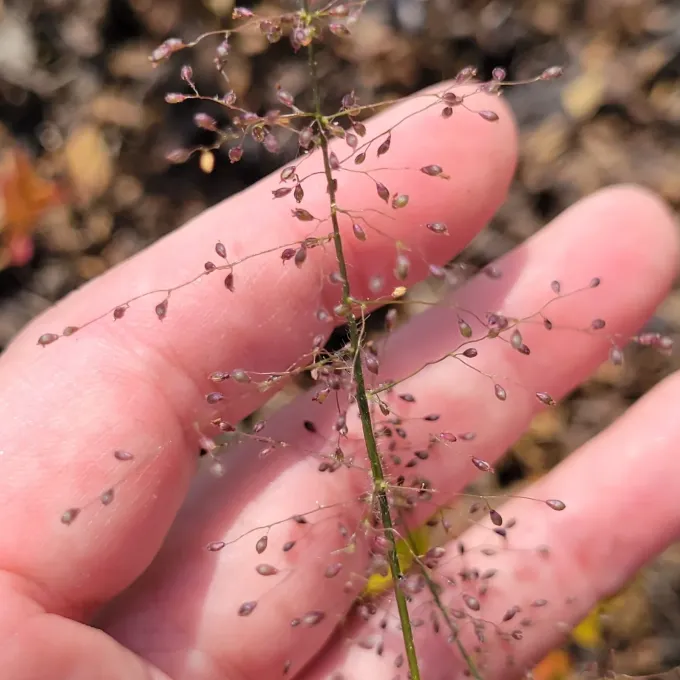
The botanical structure is marked by its distinctive puberulent leaves and a variable growth habit. These physical characteristics allow the species to minimize water loss, making it a robust candidate for sustainable grassland management.
Main diseases and pests
Like many species in the Poaceae family, tapered rosette grass is susceptible to common fungal pathogens, including rusts and powdery mildew, especially in environments with poor air circulation.
Root rot can become a significant issue in waterlogged soil conditions. Proper site selection and soil drainage are essential preventative measures to maintain plant vigor throughout the growing season.
Insect pests, such as aphids and specialized grass-feeding flies, can impact both biomass yield and reproductive success. Monitoring during the flowering period is necessary to protect seed development.
Weed competition presents a challenge during the seedling stage. Implementing mechanical or cultural weed control methods in the early phases is vital to ensure the grass establishes successfully.
A balanced approach to land management, including periodic monitoring and appropriate site maintenance, is required to prevent the buildup of pathogens and ensure the long-term productivity of the stand.