
Japanese beakgrass
Diarrhena japonica
Description
Growing requirements
Japanese beakgrass (Diarrhena japonica) is a perennial grass species belonging to the family Poaceae. Native to East Asian forests, this plant has adapted to thrive in shaded environments where other grass species often struggle to establish.
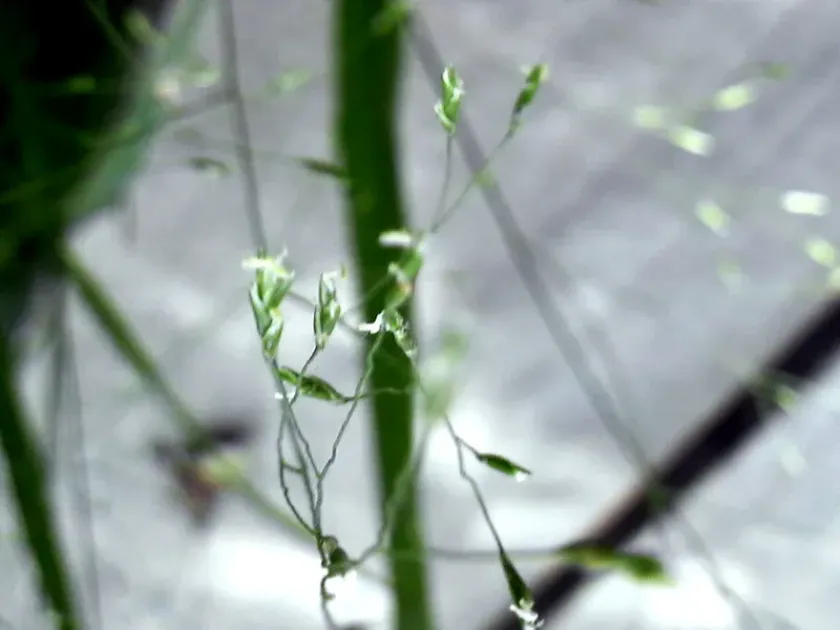
The botanical structure of the plant features wide, arching leaves and loose panicles. It is a rhizomatous perennial, meaning it spreads through underground stems to create dense, lush clusters of greenery over time.
Regarding soil requirements, Diarrhena japonica demands fertile, well-draining soil with a high organic matter content. Consistent soil moisture is essential for the plant to maintain its structural integrity and avoid leaf tip browning.
In terms of climate, the plant thrives in areas with moderate temperatures and high air humidity. It is shade-tolerant and serves as an excellent ground cover in woodland gardens or under tree canopies where sunlight is filtered.
The economic and practical use of Japanese beakgrass is primarily ornamental. It is valued by landscape designers for its ability to soften edges, cover large shaded areas, and provide a unique architectural texture to garden compositions.
Main diseases and pests
Japanese beakgrass is generally robust, but it can be susceptible to fungal diseases such as leaf spots if planted in areas with poor air circulation. Proper spacing is necessary to minimize these risks.
Root rot is the most significant threat if the soil remains waterlogged for extended periods. Ensuring good drainage is the most effective preventative measure against subsurface pathogens.
Pests like slugs and snails are the most common concern, especially during the early spring growth period when young shoots are soft. These mollusks can cause significant defoliation if left unchecked.
While aphids and mites may occasionally settle on the foliage during dry spells, they rarely cause lasting damage to established plants. Natural predation often keeps these populations at bay in diverse garden settings.
Maintaining plant vigor through balanced organic fertilization and timely removal of infected or dead debris is the best strategy to keep Japanese beakgrass free from major infestations and diseases.