
American beakgrain
Diarrhena americana
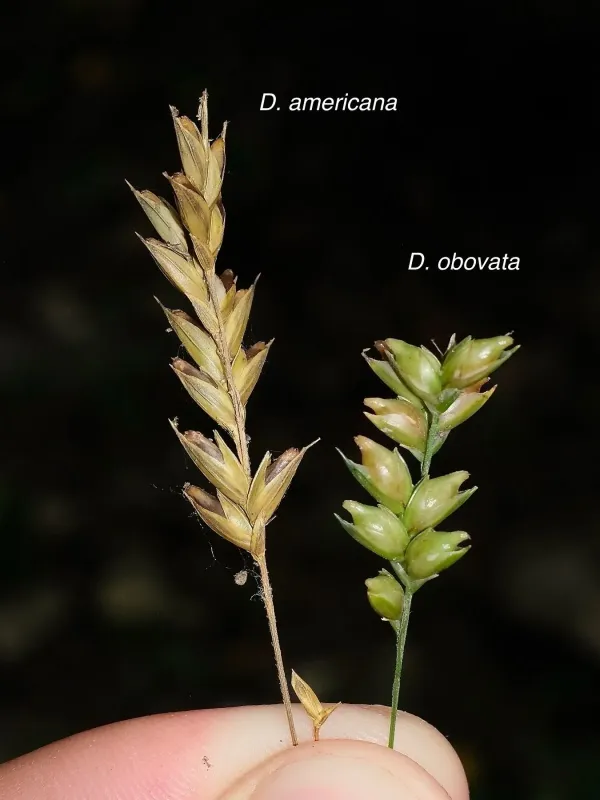
Description
Growing requirements
American beakgrain (Diarrhena americana) is a perennial grass species belonging to the Poaceae family. Native to the woodlands of North America, this plant is well-adapted to shaded and semi-shaded environments, making it a unique species in its genus.
The plant thrives in moist, humus-rich soils typical of temperate forest understories. It requires consistent soil moisture to maintain active growth, though it exhibits good tolerance once established in suitable ecological niches.
Regarding climate, American beakgrain prefers temperate regions with moderate temperatures throughout the growing season. Its high winter hardiness makes it a resilient choice for regions where cold seasons are well-defined and prolonged.
Agricultural management of this crop focuses on soil structure maintenance. It performs best in neutral to slightly acidic loamy soils that provide both drainage and water-holding capacity, essential for its fibrous root system.
While not a primary commercial crop like wheat or maize, American beakgrain holds potential for ecological restoration, land stabilization, and as a component of sustainable forage systems in forested or mixed-use landscapes.
Main diseases and pests
The primary health threats for American beakgrain include fungal leaf diseases that thrive in dense, poorly ventilated stands during humid seasons. Maintaining adequate airflow is crucial for disease prevention.
Insect pests such as leafhoppers and specific grass-feeding beetles may cause minor damage. However, in its natural range, the plant rarely faces catastrophic pest outbreaks, as it often exists as part of a balanced ecosystem.
Root rot, driven by stagnant water or anaerobic soil conditions, represents a significant risk to the plant's long-term survival. Proper field preparation and drainage are essential steps to avoid these physiological stresses.
Invasive weeds represent the most significant challenge during the establishment phase, as young plants may be slow to develop canopy coverage. Mechanical weeding and site preparation are recommended before sowing.
Integrated pest management strategies for this species prioritize cultural control methods over chemical interventions, ensuring the sustainability of the habitat it helps to support.