
Tufted hairgrass
Deschampsia cespitosa (L.) P. Beauv.
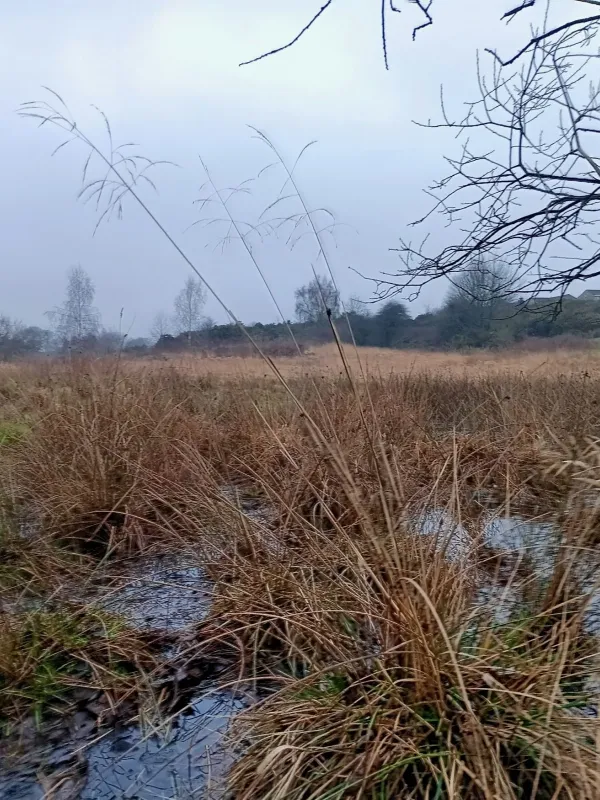
Description
Sowing dates
Tufted hairgrass is a hardy perennial belonging to the Poaceae family, typically propagated through seeds or division of established clumps in spring.
Direct seeding is best performed in early spring when the soil retains sufficient moisture, which is vital for the germination of small grass seeds.
Fall sowing is also a viable strategy, as the seeds benefit from cold stratification, which significantly improves the uniformity of spring emergence.
Seeds should be sown at a shallow depth, as light exposure is necessary to stimulate successful germination and early development of the seedlings.
To establish a consistent sward for erosion control, seeds are typically broadcast or drilled, ensuring an even distribution across the site.
Growing requirements
This grass thrives in moist to wet soil conditions, making it an excellent choice for areas with poor drainage or high water tables.
It displays remarkable tolerance to a wide range of soil pH levels, successfully adapting to acidic environments that may inhibit other species.
Tufted hairgrass is well-known for its exceptional cold hardiness, surviving harsh winter climates in various temperate regions across the globe.
While the plant prefers sunny locations, it can tolerate partial shade, maintaining its dense clump-forming habit even in slightly shaded areas.
It is native to a broad range of habitats including meadows and woodland edges, which explains its preference for consistent soil moisture levels.
Yield
In agricultural settings, tufted hairgrass serves as a forage grass, although its nutritional value is highest when harvested at the vegetative stage.
The yield of biomass is heavily influenced by soil nitrogen content and the availability of water during the primary growth phase in late spring.
As the plant matures, the leaves become tougher and more fibrous, which can reduce its palatability for livestock if not harvested in time.
In land management, its yield is often measured by its ability to prevent soil erosion and stabilize substrates through its extensive root system.
Strategic grazing or cutting schedules are essential to maintain the productivity and nutritional profile of tufted hairgrass in forage systems.
Main diseases and pests
One of the primary benefits of this species is its high natural resistance to common plant diseases, reducing the need for chemical interventions.
Occasional fungal leaf spot issues may arise in conditions of high humidity and poor air circulation, particularly in dense, unmanaged stands.
Insect pests are generally not a major concern for tufted hairgrass, as the plant's texture makes it less attractive to most common herbivores.
The greatest threat during the establishment phase is weed competition, as the grass grows relatively slowly from seed in its first year.
Good site preparation and timely mowing are the most effective methods for mitigating potential health risks to the grass population.
Harvesting
For high-quality hay production, harvesting should take place at the onset of the flowering phase before seed heads become fully lignified.
Seed harvesting is conducted when the inflorescences turn a golden-brown color, which typically occurs mid-to-late summer depending on the climate.
Mechanical harvesting requires precise equipment settings due to the small size of the seeds and the need to prevent premature shattering.
In landscaping, the dried flower stalks are often left through the winter to provide structural interest in the garden during cold months.
After harvesting, debris removal is encouraged to promote healthy regrowth of the clumps and to reduce the risk of excessive thatch accumulation.