
Cortaderia hybrids
Cortaderia hybrids
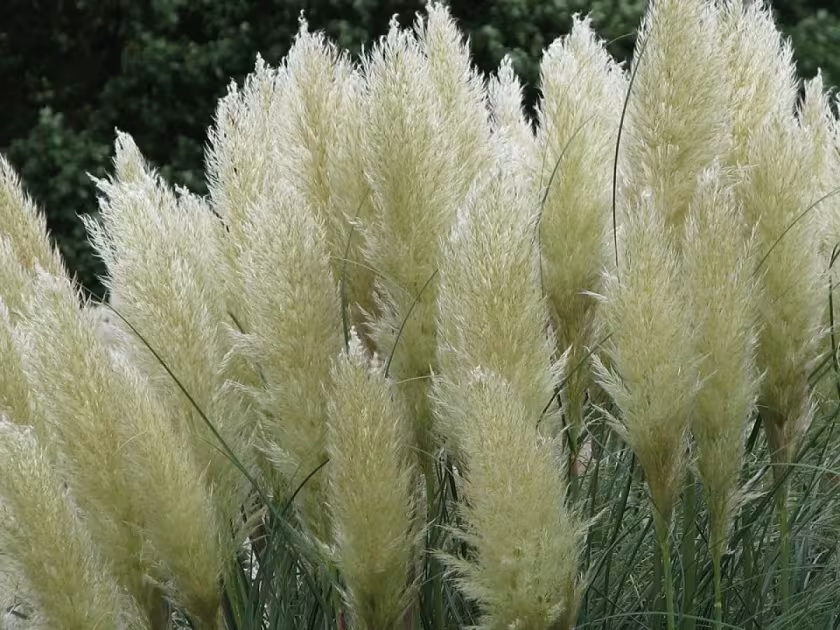
Description
Sowing dates
Cortaderia hybrids belong to the Poaceae family. Propagation is usually carried out via seeds or by dividing the root clump, which is the most reliable method for maintaining specific cultivar traits.
Seeds should be sown indoors in late February or early March in a lightweight, well-draining substrate. They require only a light covering of soil to ensure access to light and high humidity for germination.
Seedlings are pricked out once they develop several true leaves. Transplanting into the open ground should only occur after the risk of frost has passed and the soil has sufficiently warmed up.
For vegetative propagation, dividing mature clumps is best done in spring at the start of the active growing season. This helps the plant establish its root system before the onset of summer heat.
Planting density depends on the landscape design purpose. For focal points, leave up to 1.5–2 meters between plants, as Cortaderia expands significantly as it matures.
Growing requirements
Originating from South America, this plant is highly demanding regarding light exposure. Full sunlight for the duration of the day is essential for vigorous growth and successful flower production.
The plant thrives in fertile, well-draining loamy or sandy soils. A critical requirement is excellent drainage, as stagnant water is lethal to its fibrous root system, especially during winter.
Regular watering is necessary during the active growing season, particularly in arid conditions. However, soil moisture levels must be managed carefully in winter to prevent root rot.
Temperature is a key factor in cultivation. Cortaderia hybrids are warmth-loving, and in temperate climates, they often require heavy winter mulching or protection to survive the colder months.
Applying balanced mineral fertilizers with a higher nitrogen content in spring promotes lush foliage, while phosphorus and potassium promote the development of its iconic feathery plumes.
Main diseases and pests
The primary biological threat to Cortaderia in excessively wet conditions is various forms of root rot. Inappropriate watering practices frequently lead to rapid fungal infections of the crown.
Pests are less problematic due to the rigid, sharp-edged leaves of the plant. However, during hot and dry summers, spider mites may inhabit the foliage, feeding on plant juices.
To prevent the spread of pests, regular inspection and maintaining optimal humidity levels around the clump are highly recommended.
Aphids can also occasionally target young shoots and flower stalks. If a severe infestation occurs, systemic insecticides may be necessary to restore the plant's ornamental quality.
Users must always remember that Cortaderia leaves are serrated and razor-sharp; therefore, all maintenance and pest control activities should be performed while wearing heavy-duty gloves and protective clothing.
Harvesting
The main commercial and decorative use of Cortaderia is harvesting its spectacular plumes for dried floral arrangements. Harvesting is performed when the plumes are fully open and developed.
To preserve quality for winter bouquets, harvest in dry, clear weather. Once cut, plumes should be dried hanging upside down in a dark, well-ventilated area to maintain their shape.
In autumn, it is standard practice to leave the foliage intact until spring to protect the crown of the plant from frost and moisture penetration into the center of the clump.
Spring pruning is a mandatory maintenance procedure. All old, dead leaves should be cut back to a height of about 30–40 centimeters from the ground before new growth begins.
Disposal of waste foliage should be done carefully. Because the leaves contain high levels of silica, they decompose slowly and are not suitable for standard garden compost piles.