
Compressed oat-grass
Helictotrichon compressum
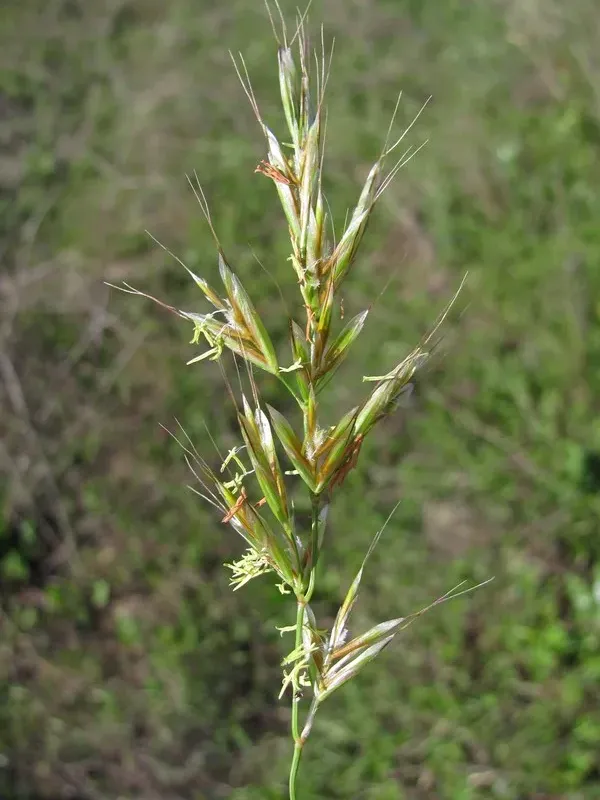
Description
Growing requirements
Compressed oat-grass (Helictotrichon compressum) is a perennial member of the Poaceae family. This species is recognized for its robust nature and its role in maintaining soil stability in grassland ecosystems.
The plant thrives in well-drained, fertile soils ranging from loamy to clayey textures. It requires a balanced moisture regime to maximize biomass production, though it shows decent tolerance to mild drought conditions.
Optimal growth is achieved in temperate climate zones with sufficient exposure to direct sunlight. The species is highly cold-hardy, allowing it to persist in regions with harsh winters and variable spring temperatures.
Agrotechnical practices include proper site preparation and controlled grazing or mowing intervals. It responds well to balanced nitrogen fertilization, which helps in the rapid regrowth of foliage during the peak season.
In agricultural applications, it is utilized primarily as a reliable forage source for livestock. Its ability to provide high-quality nutrients in early development stages makes it a preferred component in many meadow mixtures.
Main diseases and pests
Compressed oat-grass is susceptible to various fungal infections, particularly rusts and leaf spots that thrive in humid environments. These pathogens can significantly diminish the quality of the harvested forage.
Insect pests, such as aphids and stem-boring larvae, can cause damage during the active growing phase. These pests may impede normal development and negatively impact the overall seed yields.
Poor drainage is a significant risk factor that leads to root rot and other soil-borne diseases. Ensuring proper field management is essential to prevent these conditions from establishing in the stand.
Integrated pest management (IPM) strategies, including the use of pest-resistant cultivars and regular monitoring, are critical for maintaining healthy crop populations.
Chemical interventions should be used judiciously, following regional agricultural guidelines for forage crops, to ensure food safety and minimize the impact on local beneficial insect populations.