
Cortaderia hieronymi
Cortaderia hieronymi
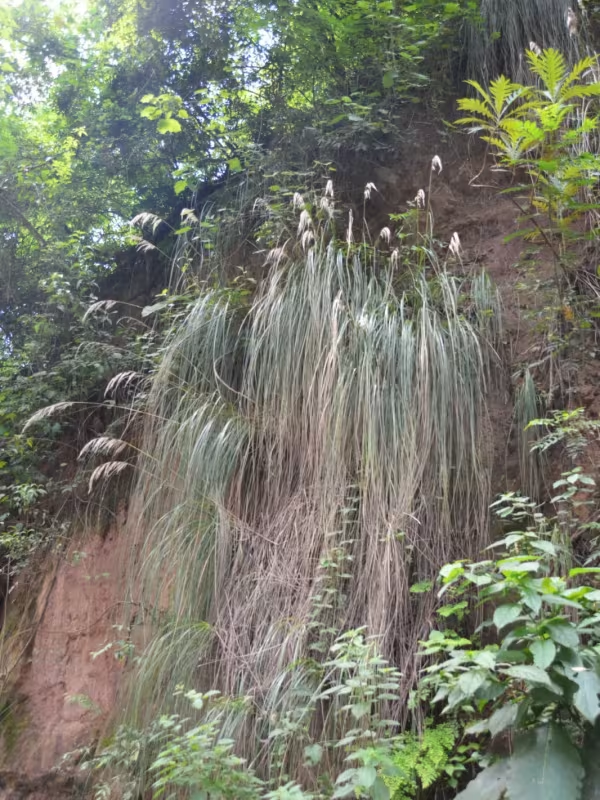
Description
Sowing dates
Cortaderia hieronymi is a perennial grass species belonging to the Poaceae family. Propagation is typically achieved through seeds or by division of mature clumps during the early spring months when the plant begins its active growth cycle.
Seeds should be sown in a well-drained substrate, preferably in late winter, to allow for a prolonged growing period. Because the seeds are small, they require surface sowing with only minimal coverage to ensure they receive the light necessary for germination.
Maintaining a constant temperature of approximately 20 degrees Celsius is critical during the initial germination phase. Keeping the growing medium moist, but not waterlogged, will prevent the seeds from drying out before the root system establishes.
Transplanting seedlings into individual containers occurs after the development of true leaves. It is essential to harden off these young plants by gradually introducing them to outdoor conditions before transplanting them permanently into the landscape.
When planting, it is necessary to provide adequate space between specimens to accommodate the mature size of the clumps. The root system will expand significantly, so deep cultivation is recommended to prepare the site properly before setting the plants.
Growing requirements
This grass species thrives best in locations that receive full sun for the majority of the day. Exposure to direct sunlight is essential for the development of strong, healthy foliage and the formation of characteristic inflorescences.
The soil should be fertile and well-drained to avoid the accumulation of stagnant water, which can be detrimental to the roots. While the plant can tolerate various soil types, sandy loam mixed with organic matter provides the best results for growth.
Climatic conditions for this species should ideally be temperate. Although the plant is somewhat hardy, it benefits from protection in regions prone to heavy frost, specifically by mulching the base to protect the crown of the plant during winter.
Watering requirements depend on the developmental stage of the plant; newly planted specimens need frequent moisture, while established clumps are relatively drought-tolerant. Deep, infrequent watering is generally more beneficial than light, daily watering.
Fertilization with a balanced NPK fertilizer in the early spring can stimulate vigorous growth. Care must be taken not to over-fertilize, as excessive nitrogen can lead to soft growth that is more susceptible to weather damage or pests.
Main diseases and pests
Fungal diseases are the primary concern for Cortaderia hieronymi, especially when the plant is grown in areas with high humidity and poor air circulation. Rust or leaf spot can manifest if the environmental conditions remain too damp for extended periods.
Insects like aphids and spider mites may occasionally colonize the foliage, especially during hot and dry spells. Regular inspection is advised to catch infestations early, allowing for targeted treatment with horticultural soap or insecticides.
Root rot caused by poor soil drainage remains a significant threat to the overall survival of the plant. If the soil becomes overly compacted or waterlogged, the roots will suffer, leading to a decline in the plant's vigor and potential death.
To reduce the likelihood of pest and disease outbreaks, keeping the area around the base of the plant free of debris and dead foliage is essential. This practice prevents the buildup of pathogens that could otherwise infect healthy tissues.
Early intervention, whether through pruning infected foliage or applying chemical controls, is the best strategy for maintaining a healthy stand of grass. Ensuring the plant receives adequate air movement is an effective, non-chemical preventative measure.