
Cortaderia atacamensis
Cortaderia atacamensis
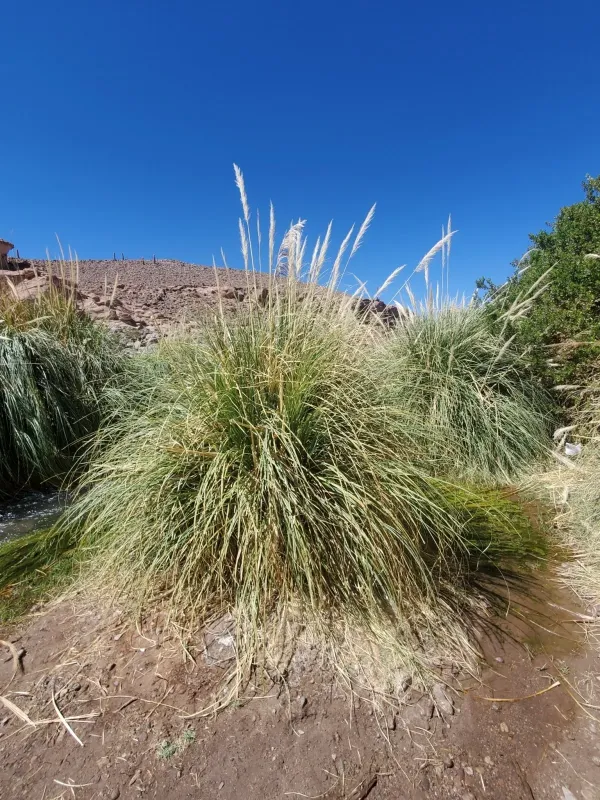
Description
Sowing dates
Sowing seeds of Cortaderia atacamensis should ideally take place in early spring once the soil begins to warm up. Starting the seeds in a controlled greenhouse environment is highly recommended to protect delicate seedlings from unpredictable weather.
The seeds require significant light to germinate effectively. Therefore, they should be sown on the soil surface without deep covering. Maintaining consistent surface moisture is crucial throughout the germination phase to ensure a high success rate.
Transplanting into the permanent outdoor location should only occur after the risk of frost has passed completely. Preparing a loose, nutrient-rich soil structure at the site will promote faster root establishment and overall vigor.
Spacing is a critical factor for this species; plants should be spaced at least 1 to 1.5 meters apart. This allows for ample air circulation and prevents the overcrowding that can lead to disease outbreaks later in the season.
Vegetative propagation by division is best performed in the spring, just before the plant enters its active growth phase. This timing allows the divisions to recover and establish their root systems before the onset of summer heat.
Growing requirements
Cortaderia atacamensis belongs to the Poaceae family and is native to the challenging environments of South America. It is naturally adapted to high altitudes, strong winds, and fluctuating temperature regimes, making it quite resilient.
The species has strict requirements regarding soil drainage. It thrives in well-aerated substrates and is highly intolerant of waterlogged conditions, particularly during the winter dormancy period when excessive moisture can rot the crown.
Full sun is essential for the healthy development of this grass. A lack of sunlight often results in weak, leggy growth and prevents the plant from producing its signature impressive inflorescences.
While tolerant of drought, supplemental irrigation during the peak summer growing season will enhance the size and quality of the foliage. Balanced fertilization applied early in the season provides the necessary energy for robust development.
In colder regions, winter protection is mandatory to survive the cold. Applying a thick layer of organic mulch around the base of the plant effectively insulates the root system and protects the dormant buds from frost damage.
Main diseases and pests
Excessive moisture during the winter is the primary threat to the longevity of Cortaderia atacamensis. Soil saturation significantly increases the risk of root and crown rot, which are often fatal to the plant.
Spider mites are a common pest during hot, dry summer months. They feed on the sap of the leaves, causing discolouration and overall decline in plant health if left unmanaged.
Powdery mildew can occasionally affect the foliage, especially in areas with poor airflow and high humidity. Regular thinning of the central foliage can help improve air circulation and mitigate this risk.
Aphids might colonize the plant during the active growth phase. While generally not fatal, large infestations can stunt growth and should be controlled using appropriate horticultural soap or systemic insecticides.
Maintaining a clean growing environment and avoiding high-nitrogen fertilizers that produce overly soft, attractive tissue for pests helps keep the plant naturally resistant to most common threats.