
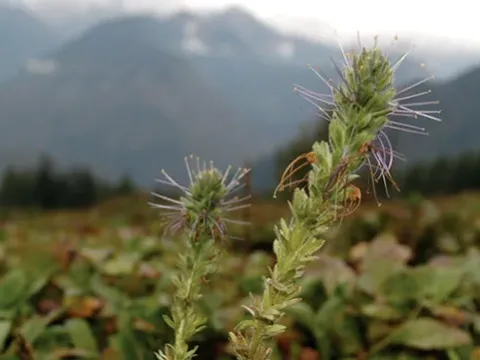
Picrorhiza
Picrorhiza
Propagation of Picrorhiza is primarily achieved through rhizome division, which ensures that the offspring retain the genetic characteristics of the parent plant.
What the section contains

Picrorhiza
Planting typically occurs in the spring once the ground has thawed, providing the rhizomes with sufficient time to establish a root system before the peak summer heat.
While seed sowing is possible, it remains challenging due to the need for prolonged cold stratification to break dormancy and ensure consistent germination rates.
Seeds should be sown on the surface of well-prepared, loose soil, requiring only a light dusting of medium to keep them moist without depriving them of light.
Spacing is critical for long-term health; plants should be spaced at least 30 to 40 centimeters apart to prevent competition for nutrients and maintain air circulation.
As a member of the Plantaginaceae family, Picrorhiza is a perennial herb that thrives in the high-altitude conditions of the Himalayan range and similar climates.
The plant demands cool, moist environments and does not tolerate high temperatures, making it unsuitable for hot, arid lowland regions without special protection.
Soil composition must be rich in organic matter, loose, and possess high drainage capacity, as the roots are highly susceptible to rot in waterlogged conditions.
In terms of light, the plant prefers dappled sunlight or partial shade, mimicking its natural habitat on the edges of forests or alpine mountain slopes.
Regular monitoring of soil pH is important, as the plant generally favors slightly acidic to neutral soils that mirror the forest floor conditions of its native origin.
The primary economic focus for Picrorhiza cultivation is the extraction of its rhizomes, which are highly valued for their hepatoprotective and bitter properties.
Full harvesting potential is typically realized only after a growth period of three to four years, requiring a long-term strategy for crop management and land rotation.
Yield quality is determined by the accumulation of active compounds such as picrosides, which reach optimal levels during the plant's mature stages.
Adequate irrigation during the early growth phase and protection from environmental stress significantly boost the biomass produced by each plant.
Consistent yield levels rely on avoiding over-harvesting from wild populations, making sustainable cultivation a crucial component of the global herbal supply chain.
Root rot and crown diseases are the most significant threats to Picrorhiza, often caused by excessive irrigation or lack of proper drainage during the growing season.
Pests, such as soil-borne nematodes, can severely impede the growth of the root system, reducing the plant's ability to absorb vital nutrients from the substrate.
Fungal infections of the foliage, including powdery mildew, can occur in environments with high humidity and poor air circulation, necessitating prompt attention.
Slugs and snails can cause substantial mechanical damage to the young leaves in early spring, requiring physical barriers or organic pest management strategies.
Preventative care, including field sanitation and maintaining optimal planting distances, is the most effective way to manage these threats without synthetic chemicals.
Harvesting is ideally performed in the autumn when the plant begins to enter dormancy and the nutrient flow moves from the leaves down to the rhizomes.
The rhizomes are carefully excavated, cleaned thoroughly with water to remove grit, and inspected for any signs of decay before proceeding to the drying process.
Drying must be conducted in a controlled environment with good airflow, avoiding high temperatures that could degrade the bioactive chemical components.
Properly dried rhizomes should be stored in airtight, moisture-proof containers to preserve their potency and protect them from contamination or pests.
Sustainable harvesting practices suggest leaving portions of the root system or following a rotational cycle to allow the plantation to regenerate successfully.