
Patagonian plantain
Plantago patagonica
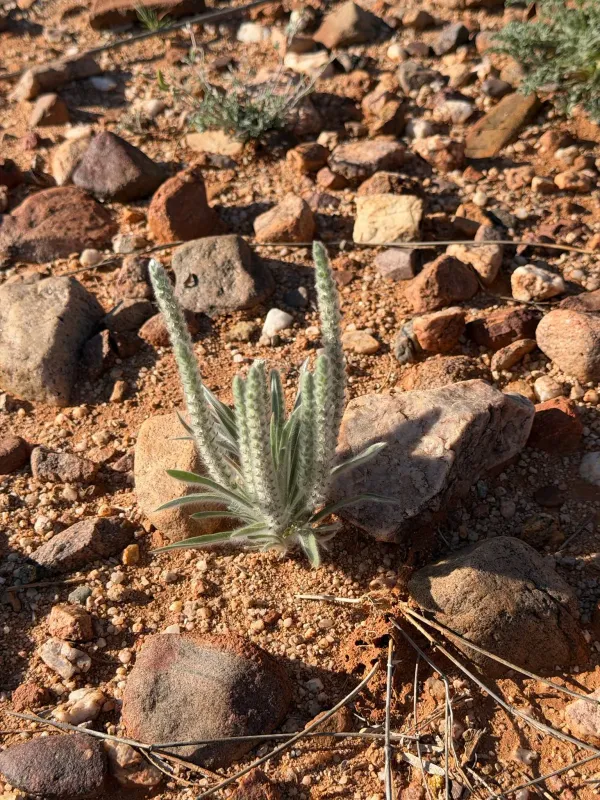
Description
Sowing dates
Patagonian plantain is a typical early spring ephemeral plant. Seeds germinate immediately after the snow melts and positive temperatures are established, which allows the crop to develop rapidly during the short growing season.
In its natural habitat, seeds are dispersed by wind and animals, ensuring natural population renewal in open areas. For artificial cultivation, sowing is recommended in the late autumn to ensure natural stratification.
The optimal time for sowing occurs when the topsoil warms up to 5–8 degrees Celsius. An important condition is the absence of dense sod, as seedlings are extremely sensitive to competition from grass species.
The seeding depth should not exceed 0.5–1 centimeter, as small seeds have a low nutrient reserve. With proper agricultural practices, sprouts emerge uniformly within 10–14 days after stable warming.
The crop is highly adaptable to variable spring weather conditions, including short-term frosts. This makes the plant a promising object for the restoration of degraded pastures in arid regions.
Growing requirements
Patagonian plantain belongs to the Plantaginaceae family and is a typical plant of arid and semi-arid zones. It prefers open, well-lit areas with a low level of competition from other plant species.
The plant grows successfully in dry, rocky, or sandy soils with a neutral or slightly alkaline reaction. It demonstrates exceptional resistance to long periods of drought due to its well-developed root system.
Climatic requirements for the species include the need for a dry and warm second half of the summer, which contributes to seed ripening. The plant does not tolerate excessive moisture, which leads to rotting of the basal rosette.
For successful growth, soils with low humus content are required, as the plantain is adapted to poor growing conditions. Excessive nitrogen fertilization often leads to stunted growth and susceptibility to fungal diseases.
In the structure of agrocenoses, this species plays the role of a soil stabilizer for erosion-prone areas. Its presence in the sward helps to maintain biodiversity in areas unsuitable for intensive farming.
Main diseases and pests
The main threat to crops is posed by fungal diseases that develop in conditions of high humidity in the air and soil. Powdery mildew can affect leaf rosettes during periods of prolonged rain, reducing overall vegetative mass.
Among pests, wireworms and cutworm caterpillars are the most dangerous, as they gnaw at the roots and the root collar of young plants. Damage to the root system during a dry period often leads to the death of the entire specimen.
Nematode infestations are also possible if the crop is grown in the same area for several consecutive years. Monitoring the phytosanitary status of crops is a prerequisite for obtaining high-quality seed material.
Weeds are the main competitors for the plantain, especially in the early stages of development. High soil sodding inhibits the growth of the crop, so timely weeding is a priority task.
Preventive measures include crop rotation and the prevention of waterlogging. The use of systemic fungicides is acceptable only in cases of severe infection outbreaks in specialized seed production fields.