
Plantago gentianoides
Plantago gentianoides
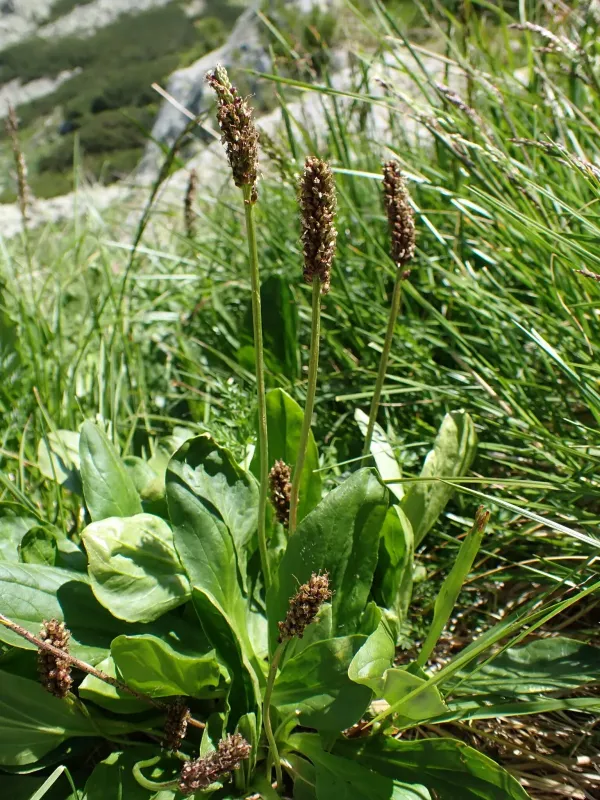
Description
Sowing dates
Plantago gentianoides is typically propagated via seeds, which require a cold stratification period to achieve optimal germination. Sowing is usually performed in late autumn or early spring to align with the plant's natural growth cycle.
Seeds are sown on or near the soil surface due to their small size and specific light requirements for germination. A spacing of 30 to 40 centimeters between rows is recommended to ensure adequate room for leaf development.
Professional substrates or well-drained, sandy soils provide the best start for seedlings. Maintaining consistent surface moisture is crucial during the initial three weeks of germination to prevent the drying out of delicate sprouts.
Thinning of seedlings is a necessary agrotechnical step to prevent overcrowding, which can lead to poor air circulation and subsequent fungal outbreaks in the dense leaf rosettes.
By mimicking alpine sowing conditions, producers can ensure high plant vigor and uniform development across the field, which is essential for consistent yields in commercial settings.
Growing requirements
As a member of the Plantaginaceae family, this plant is naturally adapted to mountain environments and requires well-drained, porous soils. Heavy or clay-rich soils should be avoided or amended with gravel and sand to ensure proper drainage.
The crop thrives in full sunlight, which is necessary to promote the synthesis of medicinal compounds within the foliage. Shade cultivation generally results in lower biomass quality and a more fragile plant structure.
Plantago gentianoides is highly cold-tolerant and capable of surviving harsh winter conditions, making it suitable for temperate regions. It possesses natural mechanisms to withstand fluctuating spring temperatures without significant damage.
Fertilization should be managed carefully, as excessive nitrogen application can lead to lush but weak leaf growth. A focus on maintaining a balanced soil mineral profile is more effective for ensuring plant health.
Irrigation management is vital, especially during the first year of growth. Once established, the plants demonstrate moderate drought tolerance, though supplemental water is still beneficial during prolonged dry spells.
Harvesting
Harvesting the aerial parts of the plant occurs during the peak flowering stage. This is the period when the concentration of bioactive glycosides and other active ingredients is at its maximum.
The leaves should be clipped carefully at the base, taking care not to damage the crown or root system. This ensures the plant can regenerate leaves throughout the growing season for multiple harvest opportunities.
Post-harvest processing involves immediate transport to a drying facility. Drying must be performed in shaded, airy conditions at temperatures not exceeding 45 degrees Celsius to preserve the integrity of the plant's phytochemicals.
Cleaning and sorting of the raw material are critical steps to ensure the final product is free from soil, weeds, and other contaminants, adhering to high-quality agricultural standards.
Following the harvest, field maintenance includes gentle soil aeration and the removal of plant debris to protect the crown from freezing temperatures and to prepare the field for the next growth cycle.