
Plantago depressa
Plantago depressa
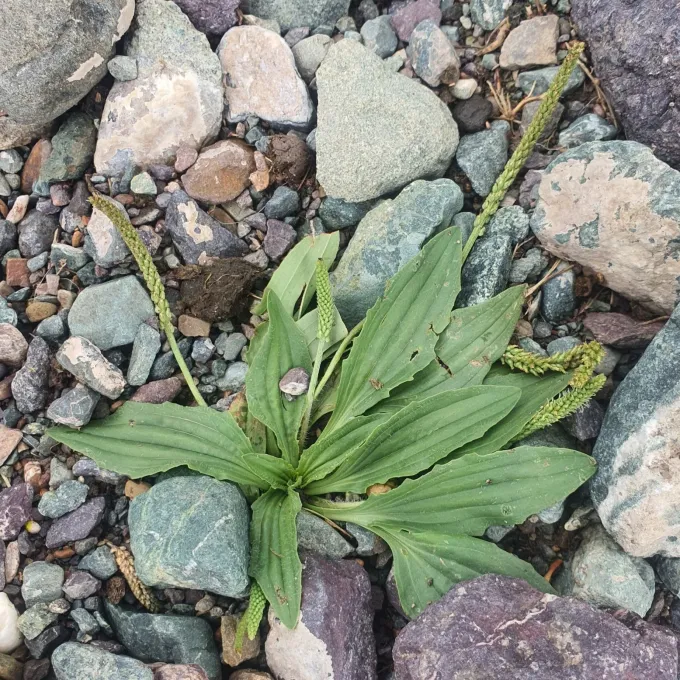
Description
Sowing dates
Plantago depressa, a member of the Plantaginaceae family, is a resilient plant often found in wild landscapes. In agricultural settings, it is valued for its medicinal properties and adaptability to various soil conditions.
The sowing process begins in early spring when soil temperatures reach stable levels. Seeds are sown in rows spaced approximately 40 to 45 centimeters apart to facilitate efficient mechanical weed control.
Given the small size of the seeds, they should be sown shallowly, not exceeding 0.5 to 1 centimeter in depth, to ensure optimal germination and vigorous early development.
Adequate soil moisture is critical during the germination phase. Farmers often use light irrigation to maintain surface humidity until the seedlings establish a sufficient root system.
Once established, the crop demonstrates high resilience, making it a reliable plant for multi-year cultivation cycles in suitable climatic zones.
Growing requirements
This species thrives in well-drained soils, ranging from sandy loams to heavier silt soils. It exhibits a high tolerance for varying pH levels, typically performing best between 6.5 and 7.5.
Sunlight is the primary driver of growth for Plantago depressa. Full sun exposure ensures the development of high-quality leaf rosettes and promotes the accumulation of essential phytochemicals.
While the plant is drought-tolerant once established, supplemental irrigation is necessary during dry spells to maintain leaf turgor and maximize the yield of fresh biomass.
The crop is highly cold-hardy and can withstand significant temperature fluctuations, which makes it suitable for cultivation in continental climates with harsh winters.
Nutrient management focuses on balanced fertilization. Excessive nitrogen may lead to rapid growth but can compromise the chemical composition required for medicinal use.
Yield
The primary economic output of Plantago depressa is its leaf biomass. Yields generally peak during the second and third years after the initial planting.
Depending on local climate conditions, growers can achieve one or two harvests per season. The optimal time for cutting is when the plant is in the flowering phase.
Average commercial yields of dried leaves range from 0.8 to 1.5 tons per hectare. Intensive management practices and careful soil preparation can enhance these figures significantly.
Productivity tends to decline after the fourth year as the rootstock ages. Consequently, crop rotation is recommended to maintain optimal yield quality and soil health.
Proper harvest timing is essential to ensure that the active ingredients, such as iridoid glycosides and polysaccharides, are present in the desired concentrations.
Main diseases and pests
Plantago depressa is generally robust against major pests; however, improper moisture management can invite fungal pathogens such as powdery mildew or leaf spot diseases.
Insects, particularly leaf-chewing larvae, may pose a threat to the quality of the harvested leaves, necessitating regular field monitoring and integrated pest management.
Weed competition is the most significant challenge for young crops. Failure to manage weeds during the first month can significantly reduce the establishment success of the plantation.
Integrated control measures focus on maintaining airflow within rows and preventing overcrowding to mitigate the risk of pathogen outbreaks during humid periods.
- Mechanical cultivation for weed control.
- Preventive biological fungicides.
- Regular field monitoring for insect larvae.
Harvesting
Harvesting is performed by mowing the leaf rosettes. It is crucial to leave a small portion of the plant base intact to encourage regrowth for the subsequent cut.
Post-harvest handling is critical for maintaining quality. The leaves should be dried rapidly in a shaded, well-ventilated area to prevent discoloration and fermentation.
Drying temperatures must be strictly controlled, ideally kept below 45 degrees Celsius, to ensure that the chemical profile remains stable and effective for medicinal use.
Sorting and cleaning processes are essential to remove debris and soil particles, ensuring the final product meets pharmaceutical quality standards and market requirements.
Final storage requires moisture-resistant packaging in cool, dark environments to ensure the longevity of the plant material before it reaches the processing stage.