
Plantago erecta
Plantago erecta
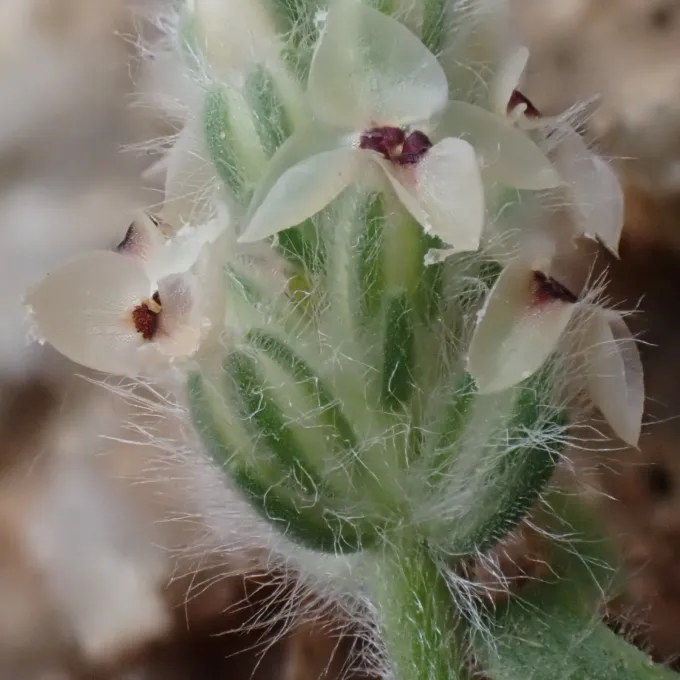
Description
Sowing dates
Plantago erecta is an annual species that relies on a specific seasonal cycle for successful germination. In its native Mediterranean climate, seeds typically germinate in response to the first significant autumn rains, which replenish soil moisture levels.
For agricultural production, seeding should be timed to mimic natural environmental cues, typically in late autumn. This ensures the seeds experience the necessary winter cooling period required for robust germination when spring arrives.
The field must be cleared of weeds and debris prior to planting to ensure the small seeds have adequate soil contact. Minimal coverage with fine soil, approximately 0.5 cm deep, is sufficient to provide optimal light and moisture conditions.
Maintaining proper row spacing is essential for air circulation and light penetration. This helps to reduce the incidence of fungal diseases and ensures each plant receives adequate nutrition for maximum growth.
As the seedlings emerge, protection from competing weeds is crucial during the early stages of development. Once established, the plants grow rapidly, forming a dense carpet that effectively suppresses competing vegetation.
Growing requirements
As a member of the Plantaginaceae family, Plantago erecta thrives in open, sun-exposed areas. It is highly adapted to soils with varying textures, though it performs best in well-drained, sandy or loamy soils that do not hold excess water.
The species is tolerant of a range of soil pH levels, making it versatile for different agricultural sites. However, its productivity is optimized when soil nutrient content is balanced and organic matter is sufficient to support initial growth.
Water requirements are highest during the vegetative stage, particularly in spring. Despite this, the plant exhibits remarkable drought tolerance as it matures, allowing it to survive in regions with dry late-spring conditions.
Consistent sunlight is a fundamental requirement; any form of shading, whether from surrounding plants or structures, will significantly impact the plant's ability to produce biomass and viable seeds.
Temperature management is largely handled by planting at the appropriate time. The plant prefers cool, mild weather during its vegetative phase, followed by warmer temperatures that trigger the development of reproductive spikes.
Yield
The yield of Plantago erecta is largely determined by the success of germination and the duration of the spring growth window. Abundant rainfall during the early season correlates positively with increased biomass production.
In terms of forage quality, the plant provides essential nutrients early in the season when other sources may be scarce. Its nutritional profile makes it a valuable component in natural grassland restoration efforts.
Harvesting efficiency depends on the method used; mechanical harvesting is common when the plant is grown for seed collection or as part of a multi-species forage crop. Proper timing is critical to minimize seed shattering.
Post-harvest management involves drying the biomass to prevent spoilage, particularly if the moisture content at the time of collection is high. Storage must be in a cool, dry place to maintain seed quality.
Overall, the yield potential is dependent on managing the soil-plant-water system. With correct agronomic practices, this plant serves as a productive and hardy element in sustainable agricultural landscapes.
Main diseases and pests
Fungal pathogens are the most significant threat, particularly in humid or overcrowded conditions. Mildew and various leaf spot diseases can affect plant health and reduce the total yield significantly if left unmanaged.
Root rot, driven by waterlogged soil, can lead to widespread plant mortality. Ensuring proper field drainage and avoiding irrigation during periods of high humidity are key management strategies for mitigating these risks.
Pests such as aphids and spider mites can infest the foliage, particularly during dry spells. Regular scouting of the field is necessary to identify early signs of infestations before they reach economic damage levels.
Soil-borne nematodes can inhibit root development, leading to stunted plants and reduced resilience against environmental stressors. Crop rotation is a recommended practice to interrupt the life cycle of these pests.
A proactive approach to integrated pest management (IPM) is essential. This includes monitoring environmental conditions, promoting natural predators, and timely intervention with approved agricultural treatments to protect the crop.