
Plantago atrata
Plantago atrata
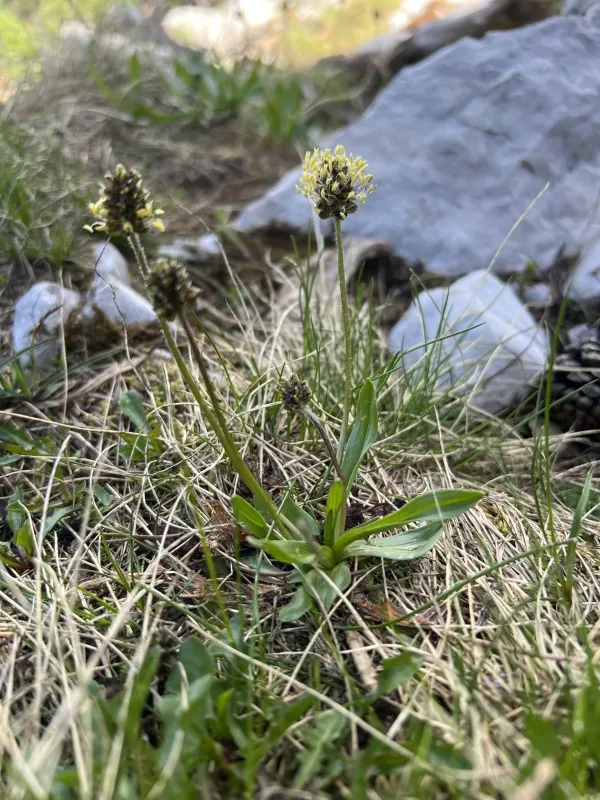
Description
Sowing dates
Plantago atrata is an alpine plant species that requires specific conditions for successful germination. The most effective sowing method involves autumn planting in open ground, allowing the seeds to undergo natural winter stratification.
For greenhouse production, seeds must be kept at low positive temperatures (0 to 5 degrees Celsius) for about 6 weeks before sowing. This process breaks seed dormancy and ensures a more uniform emergence of seedlings during the spring season.
Due to the extremely small seed size, direct sowing should be done on the surface or with minimal covering. Using a fine-grained vermiculite or sand substrate helps to maintain the necessary moisture levels for the delicate seeds to germinate successfully.
Row spacing should be maintained at 25–30 cm to allow for adequate ventilation and easy manual weeding, as the initial growth stage of Plantago atrata is quite slow compared to common agricultural weeds.
Optimal moisture control after sowing is critical; the top layer of the soil must remain consistently moist. Using a fine mist irrigation system prevents the seeds from being washed away while ensuring the soil structure remains intact.
Growing requirements
Belonging to the Plantaginaceae family, this species is naturally adapted to high-altitude environments. It thrives in well-drained, stony, or sandy soils and exhibits excellent tolerance to nutrient-poor substrates compared to traditional crops.
Sunlight is a key requirement for the plant's development. Full sun exposure is essential for maintaining the compactness of the rosette and ensuring the high concentration of bioactive compounds in the leaves.
The plant demonstrates remarkable cold hardiness, surviving harsh winter temperatures and strong winds. It is an ideal candidate for cultivation in regions with long, cold winters where traditional leafy crops might fail.
Watering requirements are modest. While the plant can withstand short periods of drought, it is intolerant of waterlogged soil. Proper site selection with a slight slope or added gravel drainage is recommended to prevent root rot.
Fertilization should be handled with caution. Over-application of nitrogenous fertilizers causes rapid vegetative growth that reduces the plant's ability to survive winter conditions and lowers the overall pharmaceutical quality of the harvested leaves.
Main diseases and pests
The main threats to Plantago atrata are fungal pathogens, specifically those that thrive in high humidity conditions. Leaf spot diseases can cause significant damage if the plantation lacks proper air circulation.
Root rot is a common issue caused by soil compaction or poor drainage. Ensuring the soil remains aerated is the most effective preventative measure against these soil-borne pathogens in commercial settings.
Insect pests, including aphids and leaf-eating beetles, can occasionally infest the plants. Integrated pest management strategies, such as biological control, are preferred to maintain the quality of the raw material.
Slugs and snails can be particularly destructive to young, tender plants. Installing protective barriers or using organic-approved pellets is necessary to protect the early-stage crops during wet weather periods.
Regular sanitation of the plantation, including the removal of dead leaf debris, is vital. This practice reduces the number of hiding spots for insects and prevents the build-up of fungal spores in the growing area.
Harvesting
The harvest period for Plantago atrata is scheduled during the full flowering phase when the leaves contain the highest concentration of specialized secondary metabolites and minerals.
Harvesting is performed by hand to ensure only mature and healthy leaves are collected. Leaving the central growing point of the plant intact is essential to ensure the longevity of the plant for future harvest cycles.
Post-harvest management involves immediate transport to a drying facility. Keeping the leaves spread out prevents heat build-up and fermentation, which can rapidly diminish the pharmaceutical value of the product.
Drying should be conducted at temperatures not exceeding 40–45 degrees Celsius. A steady airflow in a dark room ensures that the leaves maintain their medicinal properties and natural coloration throughout the storage process.
Once dried, the product is processed to remove any field impurities. It should be stored in moisture-resistant containers in a cool, dark location to extend its shelf life while maintaining high quality standards for market delivery.