
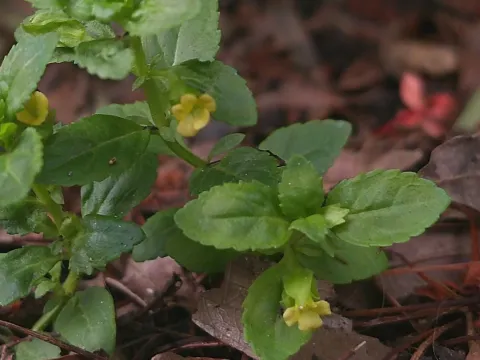
Pagesia
Pagesia
The optimal sowing time for Pagesia is during early spring when soil temperatures stabilize at 15–18 degrees Celsius. Pre-soaking seeds can significantly enhance germination energy, leading to more uniform and vigorous crop establishment in the field.
What the section contains

Pagesia
Seeds should be sown at a shallow depth of 1–2 centimeters, ensuring they receive sufficient oxygen to initiate growth. Compact the soil lightly after sowing to establish good seed-to-soil contact, which is essential for moisture uptake in the initial stages.
Using plastic mulch or tunnels can protect young seedlings from unexpected cold snaps that often occur during the spring season. This technique creates a protected microclimate that accelerates early root and shoot development.
For commercial production, a planting density that maintains 40–50 centimeters between rows is recommended. This spacing allows for efficient mechanical cultivation and helps maintain airflow between plants to reduce the risk of humidity-related issues.
If starting from transplants, sowing in trays 30–40 days before field transplanting is advised. This practice allows for the selection of the strongest seedlings and ensures a head start against weed competition in the main field.
Pagesia thrives best in sunny areas protected from strong, cold winds. The ideal soil profile consists of well-draining, light-textured soils like sandy loams, which are rich in organic matter and nutrients.
Effective drainage is a critical requirement for this crop, as stagnant water quickly leads to root rot and systemic failure. Avoiding low-lying areas with a high water table is essential to maintain the long-term health of the crop.
An optimal soil pH range between 6.0 and 7.0 is required for nutrient availability. Regular soil testing is recommended to ensure that essential macro and micronutrients are available in the correct proportions for plant growth.
A balanced irrigation schedule is necessary, especially during peak growth periods. However, farmers should prioritize consistent moisture over heavy saturation, as this promotes healthy root systems and reduces susceptibility to fungal attacks.
Nutrient management involves applying balanced fertilizers containing nitrogen, phosphorus, and potassium. It is beneficial to divide fertilizer applications, providing a nitrogen boost early on and shifting towards potassium before the flowering stage.
Fungal rots are the most common diseases affecting Pagesia, particularly when soil moisture management is neglected. Crop rotation and avoiding sites with high pathogen pressure are the primary preventative measures for these issues.
Sucking insects, such as aphids, represent the most significant pest threat to this crop. These pests drain sap from tender leaves, potentially reducing photosynthetic capacity and overall biomass production if not managed in time.
Integrated Pest Management (IPM) strategies, including the use of beneficial insects and botanical extracts, are highly effective against pest outbreaks. Chemical interventions should only be considered as a secondary resort to maintain ecological balance.
Powdery mildew may occur if the crop faces sudden temperature fluctuations combined with high humidity. Prompt removal of infected plant material is an essential step to prevent the disease from spreading to healthy parts of the field.
Regular field scouting is the most effective tool for early threat detection. Implementing routine agricultural tasks like weed removal and soil aeration helps keep the plants vigorous and more resistant to various biotic and abiotic stressors.