
Picrorhiza kurroa
Picrorhiza kurroa
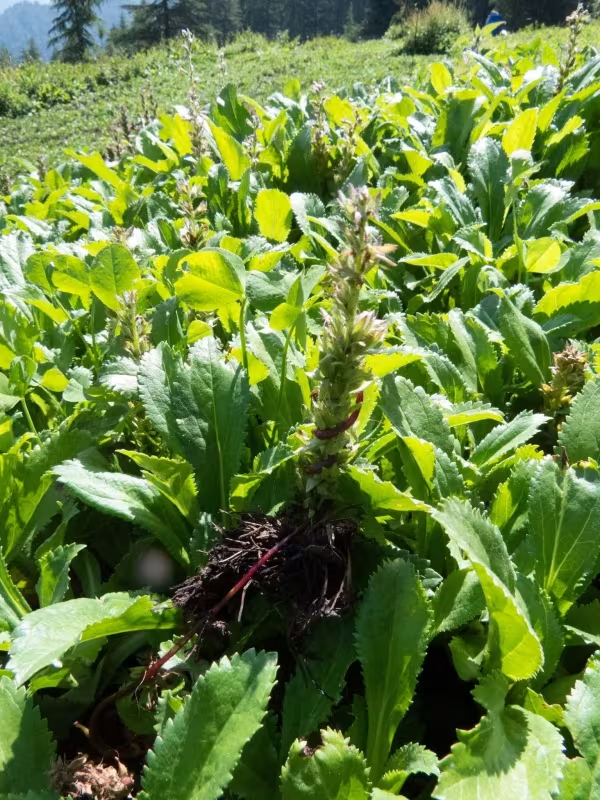
Description
Sowing dates
Propagation of Picrorhiza kurroa is primarily conducted through seeds or rhizome division. Given its alpine origin, seeds require a period of stratification at low temperatures to ensure successful germination.
The optimal time for sowing is early spring immediately following snowmelt. Seeds should be sown in prepared nursery beds with a light, well-draining substrate to mimic its natural high-altitude habitat.
A crucial factor is moisture management; while seeds need consistent hydration, they are highly susceptible to damping-off if the soil remains waterlogged for extended periods.
Rhizome division is a more efficient method for farmers who wish to propagate the plant vegetatively. This ensures genetic consistency and provides a faster path to harvesting compared to seed-based cultivation.
Proper spacing between plants is essential to maintain air circulation, which is a vital component in preventing fungal diseases in high-humidity cultivation environments.
Growing requirements
Picrorhiza kurroa belongs to the Plantaginaceae family and is native to the alpine regions of the Himalayas, thriving at altitudes ranging from 3000 to 5000 meters.
The plant strictly requires a cool climate and cannot tolerate prolonged exposure to heat. An ideal temperature range for its development is between 5 and 20 degrees Celsius.
Soil requirements include high organic content, loose texture, and excellent drainage. It thrives in slightly acidic or neutral soil conditions and performs poorly in heavy clay-based soils.
The plant demands high atmospheric humidity, characteristic of mountainous mist-prone areas, making it essential to maintain proper microclimatic conditions in commercial farming setups.
While it requires significant light, young plants benefit from partial shading. Imitating the alpine meadow environment with good ventilation is the key to successful crop management.
Yield
Yield in Picrorhiza kurroa is heavily dependent on the age of the crop, as the concentration of medicinal compounds like kutkin develops slowly over several years.
Commercial plantations typically reach their peak production potential in the third or fourth year. Harvesting prematurely significantly reduces the quality and market value of the rhizomes.
Productivity is measured by the biomass of dried roots. Growers focus on maximizing the content of active glycosides by maintaining steady growth rates through balanced soil nutrition.
Growth can be limited by the plant's natural slow pace of development and the high sensitivity of young transplants to environmental stress.
Optimized cultivation techniques, including organic mulching, help preserve soil structure and moisture, leading to a more consistent and sustainable harvest yield.
Main diseases and pests
The most significant threat to Picrorhiza kurroa plantations is root rot, which typically stems from poor soil drainage and excessive water accumulation.
Fungal pathogens causing leaf spots are common during periods of high humidity and poor air circulation, necessitating consistent monitoring of the plants.
Soil-borne nematodes can compromise the integrity of the rhizomes, making them susceptible to secondary bacterial infections that lead to plant decline.
Effective prevention strategies include crop rotation, the use of disease-free planting material, and strict adherence to irrigation protocols to avoid overwatering.
Regular inspection of the field is crucial; early removal of infected specimens can prevent a localized issue from spreading across the entire plantation.
Harvesting
Harvesting is performed in late autumn, marking the end of the vegetative season when the aerial parts begin to wither and die back.
Rhizomes are carefully hand-dug to avoid breakage, as whole, intact roots command a premium price due to the preservation of active medicinal compounds.
Once harvested, roots are cleaned of soil particles, washed with fresh running water, and prepared for the drying process under controlled conditions.
Drying must occur in the shade with constant airflow to prevent the degradation of thermolabile active compounds and to ensure the longevity of the final product.
Properly dried rhizomes are sorted by size and quality, then stored in sealed containers in a cool, dry place to maintain their therapeutic efficacy.