
Mecardonia acuminata
Mecardonia acuminata (Walter) Small
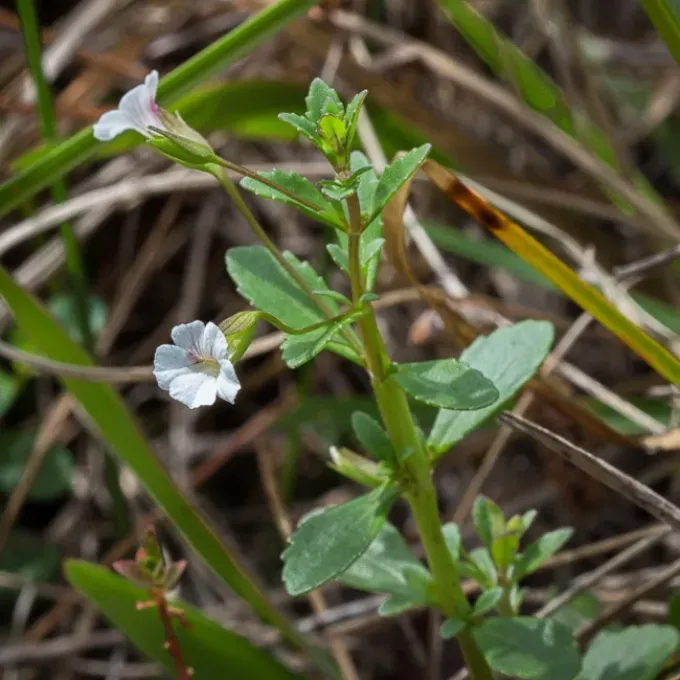
Description
Sowing dates
Mecardonia acuminata (Walter) Small is a herbaceous perennial belonging to the Plantaginaceae family. While it is native to North and South America, it is often treated as an annual bedding plant or a groundcover in temperate horticultural practice.
Seeds should be sown in late winter or early spring in a greenhouse setting. Because the seeds are tiny, they must be sown on the surface of the growing medium, requiring light for germination, and should not be covered with soil.
A stable temperature between 20°C and 22°C is required to achieve high germination rates. Moisture levels must be kept high, often using a humidity dome, until the seedlings have successfully established their initial root system and true leaves.
Seedlings are highly sensitive to handling, so early transplanting into cell trays is recommended. They should only be moved to outdoor sites after the last risk of frost has passed, as the plant is not frost-tolerant and requires warm growing conditions.
Space the plants approximately 20 to 30 centimeters apart to ensure adequate airflow. Proper spacing is crucial to prevent the accumulation of moisture on the foliage, which is a precursor to many fungal diseases in this species.
Growing requirements
The plant thrives in full sun to partial shade, depending on the climate. In hotter regions, midday shade is beneficial to prevent leaf scorching and to maintain the plant's structural integrity during the peak of summer.
Mecardonia acuminata requires a well-draining, fertile soil with a neutral to slightly acidic pH. Soils that remain constantly waterlogged will inevitably lead to root rot, which is the most frequent cause of failure when cultivating this plant.
Regular irrigation is necessary, but the soil surface should be allowed to dry slightly between watering sessions. In container cultivation, high-quality drainage is essential; ensure that pots have adequate holes and are placed on feet if necessary.
Feeding the plants with a balanced, water-soluble fertilizer every two weeks promotes continuous blooming and vigorous growth. A formula high in phosphorus can help maintain intense flower production throughout the season.
The plant is not tolerant of cold temperatures. Growth slows significantly if the temperature drops below 15°C. Therefore, it is best grown in warm environments or as a seasonal decorative element that is removed at the end of the growing cycle.
Main diseases and pests
The most significant threats to the crop are fungal pathogens, specifically those causing root and crown rots. These diseases thrive in environments with poor circulation and excessive soil moisture, often leading to rapid plant decline.
Pests such as spider mites and aphids are known to feed on the tender shoots of the plant, especially in arid or hot conditions. Infestations should be managed early to prevent permanent damage to the plant's aesthetic value.
Integrated pest management, including sanitation and proper irrigation, is the best defense. Removing any yellowing or decaying leaves helps reduce the humidity around the crown of the plant, lowering the risk of pathogen development.
If chemical intervention is required, fungicides and insecticides should be applied according to local agricultural regulations. Always ensure the plants are not under drought stress when applying foliar treatments to avoid chemical phytotoxicity.
- Rhizoctonia root rot
- Powdery mildew
- Aphids (Aphididae)
- Spider mites (Tetranychidae)
- Leaf spot pathogens