
Mecardonia
Mecardonia procumbens (Mill.) Small
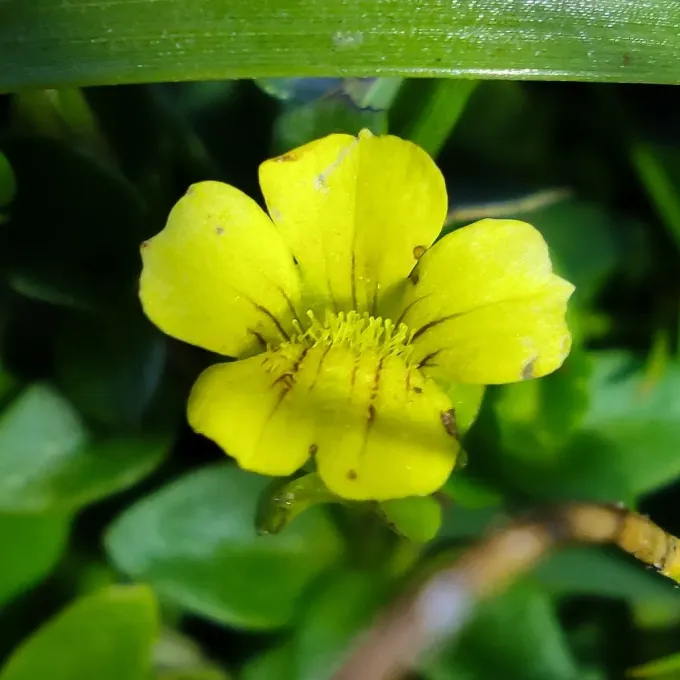
Description
Growing requirements
Mecardonia procumbens is a small, sprawling herbaceous plant belonging to the Plantaginaceae family. Originally native to the Americas, it has become a favored choice for gardeners seeking a low-maintenance groundcover that provides continuous color throughout the season.
Botanically, the plant is distinguished by its creeping, prostrate stems that root at the nodes upon contact with the soil. This growth habit allows it to form a dense, uniform mat of bright green foliage adorned with numerous small, yellow, tubular flowers.
The plant thrives in warm climates and requires consistent moisture to perform at its best. While it is adaptable to various soil types, it performs optimally in rich, well-draining soil that retains some moisture without becoming waterlogged.
Sunlight is a key factor for the successful cultivation of Mecardonia. It is a sun-loving species that produces the most prolific blooms when grown in full sun exposure. In shaded areas, the plant may become leggy and lose its characteristic dense appearance.
Due to its lack of cold tolerance, Mecardonia is typically managed as an annual in cooler regions. It serves as an excellent candidate for hanging baskets, containers, and edging, where its trailing habit can be effectively displayed.
Main diseases and pests
The primary concern for this crop is root rot, which typically occurs if the soil drainage is inadequate. Ensuring that the plant is not kept in standing water is critical for maintaining its health and vigor during the growing season.
Pest pressures are generally manageable, but the plant can be susceptible to infestations of aphids and spider mites during periods of high heat. Integrated pest management, including regular monitoring and early intervention, is the recommended strategy for control.