
Glochidion lobocarpum
Glochidion lobocarpum
Description
Growing requirements
Glochidion lobocarpum is a perennial woody plant belonging to the Phyllanthaceae family. Native to the tropical regions of Southeast Asia, this species typically thrives in humid forest ecosystems, demonstrating high adaptation to diverse tropical environments.
The plant requires a stable, warm climate with high humidity levels and well-drained, nutrient-rich soil. It is particularly sensitive to waterlogging, necessitating proper soil management techniques such as ridging or raised bed cultivation to ensure healthy root growth.
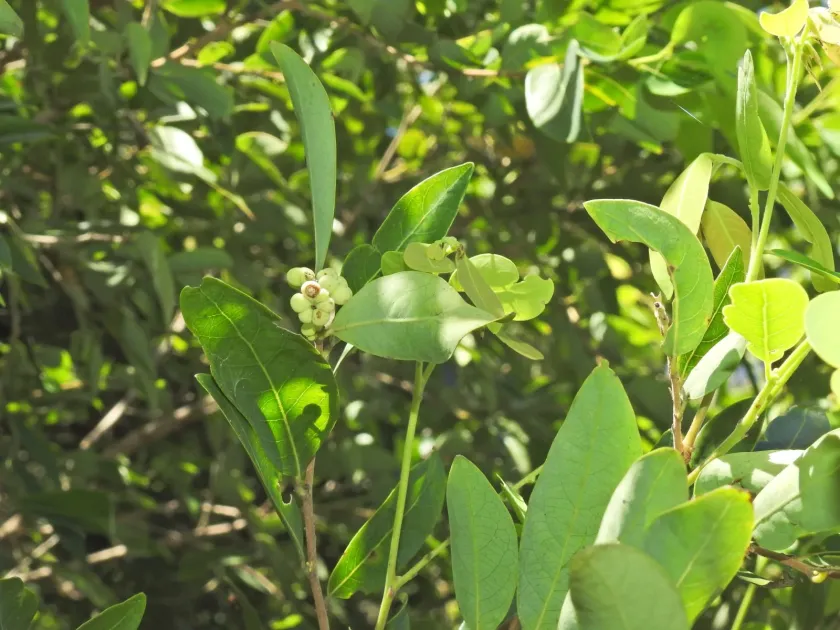
Botanically, it features a branched canopy and produces unique lobed fruit capsules. In its natural state, it functions as a medium-sized tree, which requires specific spacing to allow for adequate airflow and light penetration for optimal development.
Agronomic practices for this species focus on maintaining soil fertility and protecting the plant from environmental stress. Regular organic matter application helps in preserving soil structure, which is vital for the plant's overall productivity in a plantation setting.
Economic utility ranges from medicinal applications of its bark and leaves to its potential use in local forestry projects. Its wood is often utilized for small-scale timber requirements, contributing to the local rural economy.
Main diseases and pests
Glochidion lobocarpum is susceptible to several fungal diseases, particularly under conditions of poor ventilation or excessive atmospheric moisture. Anthracnose and leaf spot diseases are common concerns that require consistent monitoring and sanitary management.
Pests such as aphids and scale insects represent a significant threat to the plant's vitality. These insects often cluster on tender shoots and leaf undersides, extracting sap and weakening the tree's defensive mechanisms.
Root rot is perhaps the most critical threat when soil drainage is insufficient. Growers are advised to implement precise irrigation scheduling and monitor soil drainage capacity to prevent the proliferation of pathogenic fungi in the root zone.
Defoliating caterpillars may occasionally cause damage during high-population cycles. Integrated Pest Management (IPM) strategies, which prioritize natural predators and biological controls, are recommended to preserve the local ecological balance.
Environmental stress, such as extreme temperature fluctuations or drought, can make the tree more vulnerable to secondary infections. Maintaining optimal moisture levels and nutrient balance is essential to keep the plant resilient against typical threats.