
Glochidion zeylanicum
Glochidion zeylanicum
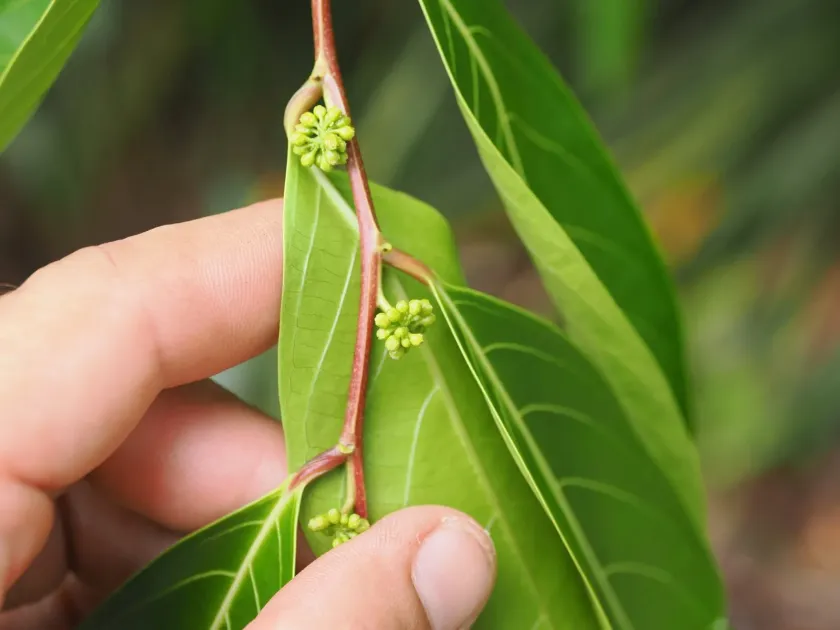
Description
Growing requirements
Glochidion zeylanicum is a perennial evergreen tree belonging to the Phyllanthaceae family. It is known for its distinct botanical features, including coriaceous leaves and specialized reproductive structures typical of its genus within the tropical forest ecosystems.
The plant originates from the tropical regions of South and Southeast Asia. Its natural habitat spans across diverse landscapes including dense forests and secondary vegetation areas, where it plays a significant role in local biodiversity and forest succession.
Successful cultivation of this species requires a strictly tropical environment with minimal temperature fluctuations. Ideal growth occurs in temperatures ranging from 22°C to 28°C, with high levels of relative humidity throughout the year to prevent desiccation.
Regarding soil requirements, Glochidion zeylanicum thrives in deep, fertile, and well-drained soils. It exhibits moderate tolerance to varying pH levels but is highly sensitive to waterlogged conditions, which can lead to rapid root decay and plant mortality.
Economically, the tree is primarily utilized in landscape restoration and traditional medicinal applications. Its ability to provide shade and biomass makes it a useful component in agroforestry systems established within its native geographical range.
Main diseases and pests
The primary threats to the health of Glochidion zeylanicum are fungal infections, particularly leaf spot diseases caused by high humidity. Management strategies emphasize the importance of spacing and canopy aeration to minimize the risk of pathogen spread.
Pests, including various scales and mites, present constant challenges by feeding on the sap of young shoots. Routine inspections and biological control measures are recommended to maintain plant health and prevent severe infestations in nursery settings.