
Glochidion puberum
Glochidion puberum
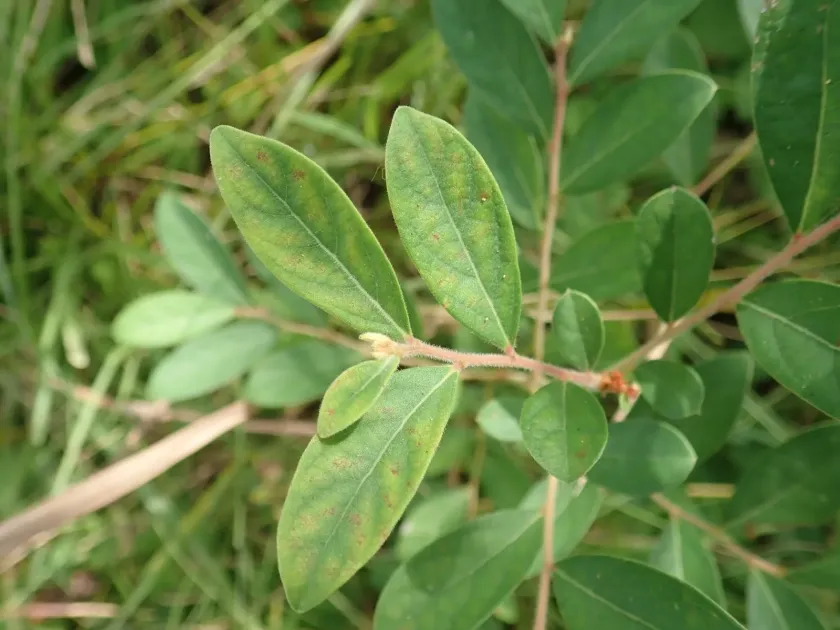
Description
Sowing dates
Glochidion puberum is typically propagated via seeds or semi-hardwood cuttings to ensure genetic consistency and vigorous plant development.
Seed sowing should be performed in early spring, utilizing a well-draining soil mix to encourage germination and healthy root system establishment.
When using cuttings, it is crucial to select healthy shoots from the current season and apply rooting hormones to enhance success rates under high-humidity conditions.
Young plants should be kept in a controlled nursery environment for the first year to protect them from extreme weather conditions and pests.
Spacing between plants must be sufficient to ensure optimal light exposure and air circulation, which are vital for the long-term health of the shrub.
Growing requirements
Belonging to the Phyllanthaceae family, this species grows as a deciduous shrub or small tree, characterized by its fine pubescence on younger vegetative parts.
The plant thrives in fertile, loamy soils that maintain moisture but allow for excellent drainage, preventing waterlogging of the root zone.
Native to subtropical regions of East Asia, it prefers a temperate climate and requires shelter if cultivated in regions prone to heavy frost.
While it can tolerate full sun, it performs significantly better in partial shade, where the leaves are protected from excessive heat and direct radiation.
Maintenance involves regular watering during dry spells and the application of balanced organic fertilizers to support sustained seasonal growth.
Yield
Glochidion puberum is highly valued for its medicinal properties, with roots and leaves being traditionally utilized for their anti-inflammatory effects.
In various local industries, the plant is harvested for specific bioactive compounds that find applications in natural pharmacy and herbal medicine research.
The aesthetic structure of the plant makes it a viable candidate for ornamental gardening, contributing to the diversity of botanical collections.
The wood, characterized by its fine texture and durability, is occasionally used in rural crafts to produce small household tools or decorative items.
Successful management of the harvest cycle requires identifying the optimal growth stage of the plant parts to ensure maximum therapeutic potency.
Main diseases and pests
Aphids and spider mites are common pests that target the foliage, potentially causing stunted growth if infestations are not managed early.
Fungal issues, including powdery mildew, frequently arise in humid conditions with poor ventilation, requiring localized pruning and airflow improvements.
Root rot remains a significant threat, primarily caused by over-irrigation or planting in compacted, poorly draining soil substrates.
Integrated pest management, including the use of biological controls and proper spacing, is recommended to maintain a healthy plantation.
Regular monitoring during the peak growing season is essential to detect and treat early signs of infection or physiological stress before they spread.